
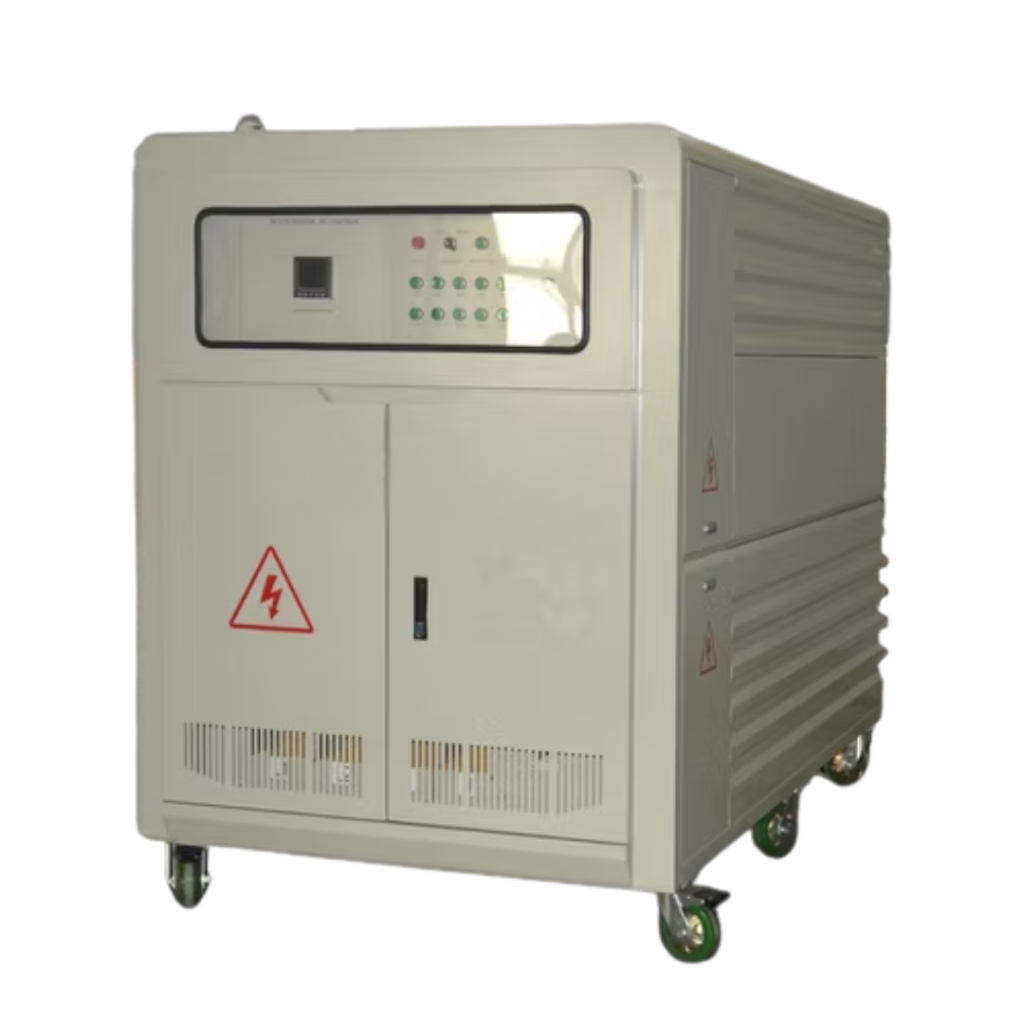
| Parameter | Specification |
|---|---|
| Efficiency | >90% |
| Applications | UPS, battery chargers, DG sets, inverters, renewable energy systems |
| Output | Stepwise load variation, programmable options available |
| Cooling | Minimal requirement due to reduced heat dissipation |
| Enclosure | Customizable, industrial-grade protection |
| Standards | Built to international safety and performance norms |
High-Efficiency Testing with Minimal Energy Loss
Traditional load banks waste energy as heat during battery and UPS testing. Chhabi’s Regenerative Load Bank recovers that energy back into the grid, providing a sustainable and cost-effective solution for high-power testing
High-capacity UPS, battery, inverter, and renewable systems often require controlled load testing during commissioning and maintenance. Regenerative Load Banks recover the test energy instead of dissipating it as heat, reducing energy waste and cooling requirements during high-power testing.
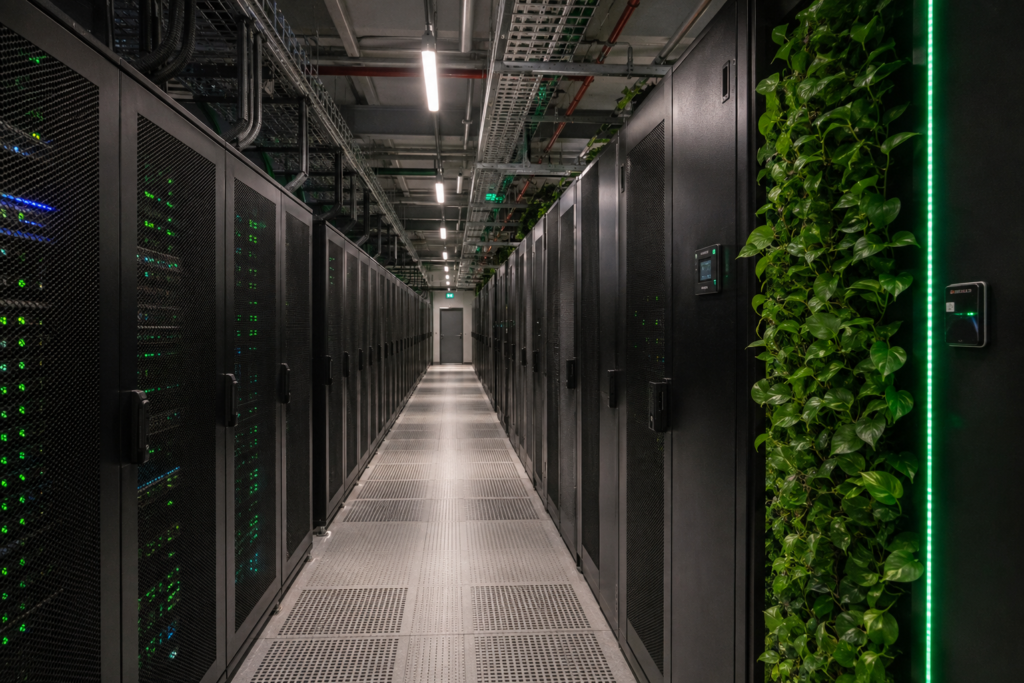
01
Supports high-capacity UPS battery testing while returning the absorbed discharge energy to the electrical network instead of dissipating it as heat, reducing the cooling load and energy impact of repeated battery tests.

Used for commissioning and discharge testing of UPS and DC battery banks at stations, depots, and traction substations. Regenerated test energy can be fed back into the available supply, reducing temporary power requirements during project commissioning.
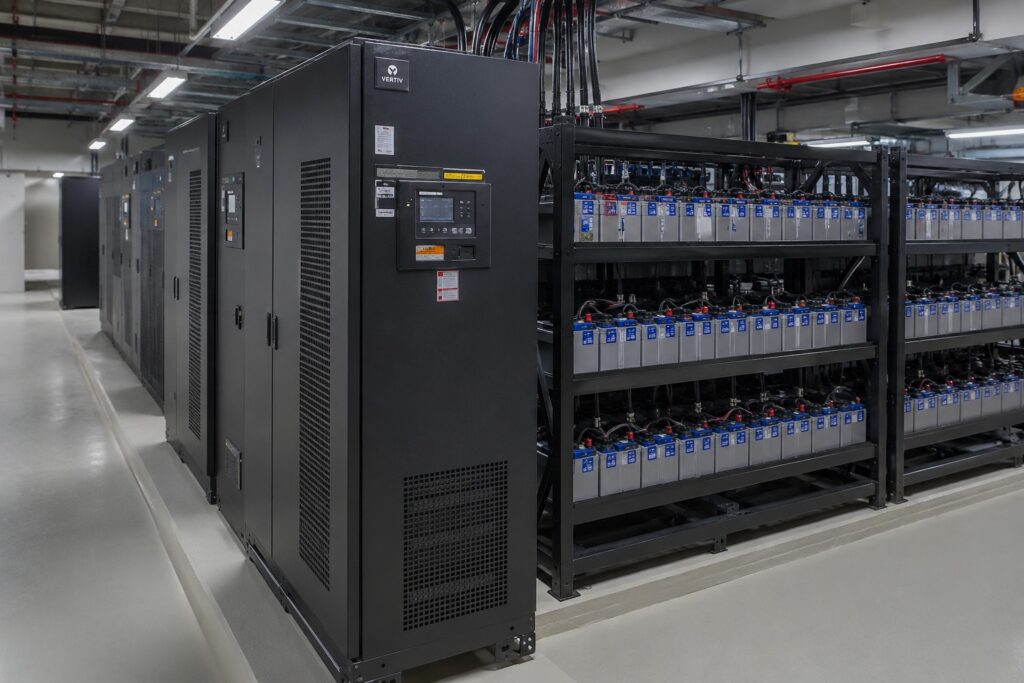
Suitable for facilities carrying out periodic capacity tests across multiple large UPS battery banks. Recovering the discharge energy helps reduce the electrical cost and heat generated during repeated maintenance testing.

Supports discharge testing of station, unit, and control-system battery banks during plant commissioning. Recovered energy can be returned to the plant’s auxiliary distribution system, reducing dependence on additional temporary power sources for testing.
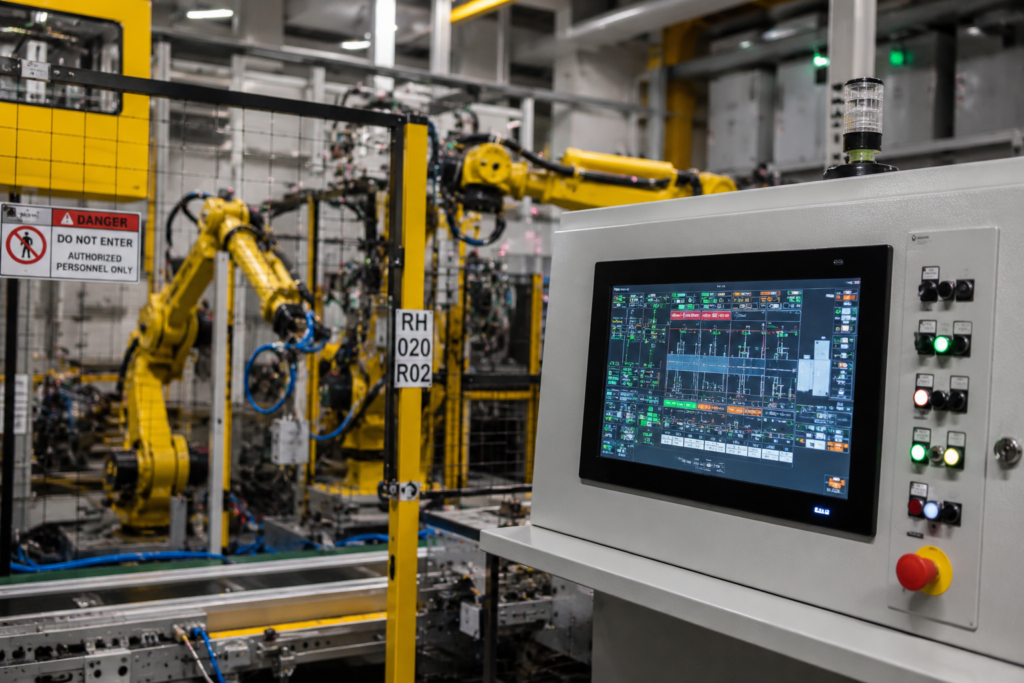
Used to test solar, wind, and BESS battery systems where discharge tests can involve substantial amounts of stored energy. Regenerative operation returns a major portion of the test energy to the grid or site supply instead of converting it entirely into heat.
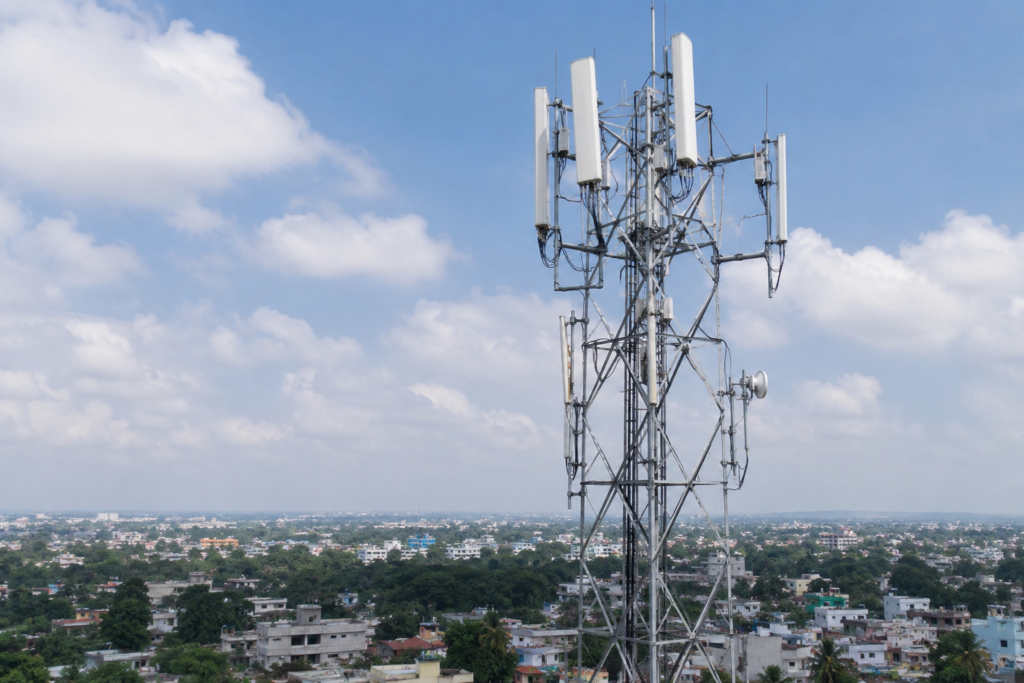
Used for capacity testing of large telecom battery banks where repeated discharge tests can consume significant energy. Regenerative operation feeds recovered test energy back into the available supply, reducing energy wastage and heat generation during testing.
Achieves >90% efficiency by regenerating absorbed test power back into the grid.
Suitable for UPS systems, battery chargers, DG sets, inverters, and renewable energy power setups.
Minimizes thermal load on facilities compared to conventional resistive load banks.
Lowers operational costs while aligning with green energy goals


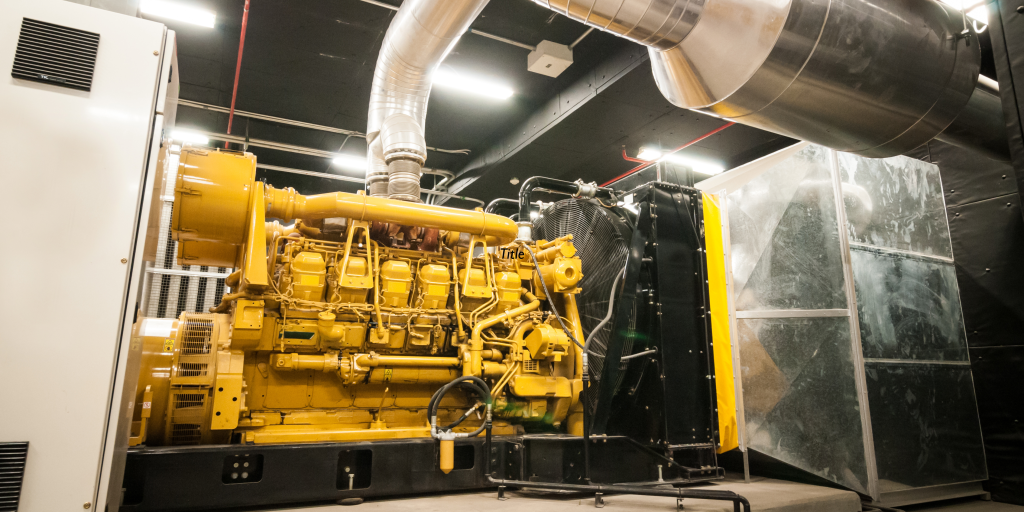

A regenerative load bank tests UPS systems, battery chargers, DG sets, and inverters while recovering over 90% of the absorbed energy back into the grid. For facilities where testing happens regularly, it's a far more efficient and cost-effective approach than conventional load testing methods.
Over 90% of the absorbed test power is regenerated back into the grid. So if you're running a high-power UPS or DG test for several hours, almost all that energy goes back instead of being lost as heat.
Yes, it's well suited for testing inverters and power conditioning systems used in solar and wind setups. The energy recovery design aligns naturally with renewable energy goals, making it a preferred choice for facilities with sustainability targets.
Power generation plants, data centers, oil & gas facilities, and renewable energy installations get the most value — anywhere high-power testing happens regularly and energy efficiency is a priority.
Chhabi Electricals is a trusted manufacturer of regenerative load banks built to international safety and performance standards, backed by 60+ years in industrial power solutions. Each unit is configurable for voltage, load profile, enclosure, and reporting requirements.
It returns over 90% of test energy back to the grid, directly reducing net energy consumption during testing cycles. For organizations working toward carbon reduction targets, it's a straightforward and measurable step compared to running conventional load banks.
With proper periodic maintenance, a well-built regenerative load bank can serve reliably for well over a decade. The reduced thermal stress compared to resistive load banks actually works in its favor — less heat means less wear on components over time.
Yes, depending on the configuration, regenerative load banks can handle both AC-output systems like UPS and inverters, and DC systems like battery chargers and rectifiers. This flexibility makes them a practical single investment for facilities running mixed power infrastructure.
Since heat dissipation is minimal compared to resistive load banks, regenerative units are naturally better suited to hot or space-constrained environments. With the right enclosure specification, they perform reliably in outdoor substations, rooftop installations, and plant environments where temperature management is a real constraint.
Chhabi Electricals engineers each unit to your exact requirement — custom enclosures, programmable load profiles, and proper grid feedback compliance. For critical power projects, that application-specific approach matters far more than an off-the-shelf product.