
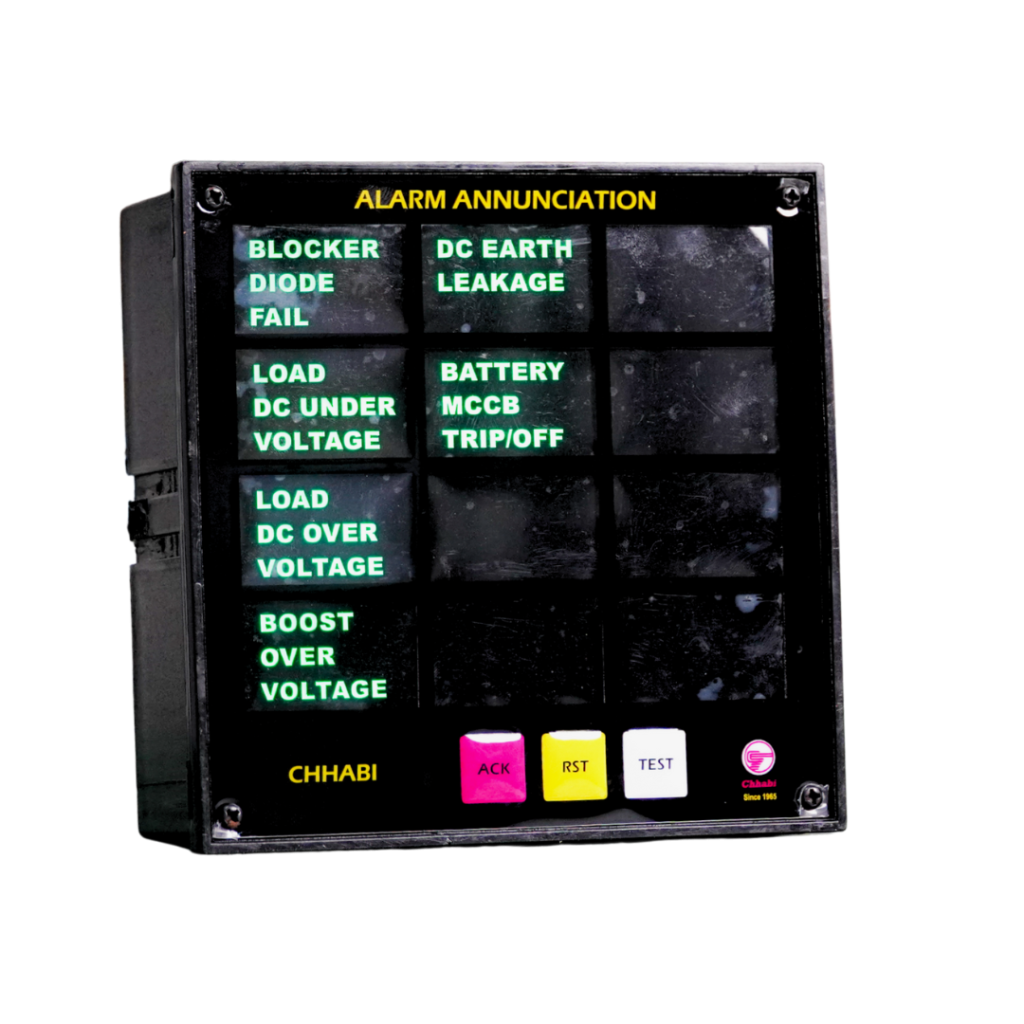
| Specification | Details |
|---|---|
| Display Size | 144 × 144 mm panel mount |
| Controller | Microcontroller-based system |
| Analog Inputs | 13 optically isolated (4–20 mA), programmable thresholds |
| Digital Inputs | 24 optically isolated inputs at 24VDC |
| Digital Outputs | 13 outputs at 24VDC linked to threshold conditions + relays for group alarms |
| Annunciation Windows | 2 × 12 configurable windows |
| User Interface | Membrane keys (Accept, Test, Reset, Hold) + navigation keys |
| Communication | RS-485 MODBUS protocol, MODBUS-TCP optional |
| Data Handling | Built-in logging and metering functions |
Unified Monitoring, Instant Alarms
In complex industrial processes, every second counts when faults occur. Chhabi’s Digital Analog Annunciator & Process Controller consolidates alarms, measurements, and control into a single intelligent platform—delivering fast, clear, and actionable insights
The system brings analog process values, digital status signals, alarm limits, and annunciation into a single panel interface, helping operators identify abnormal conditions and respond before they affect process continuity or equipment safety.

01
Monitors pressure, temperature, flow, and other 4–20 mA signals alongside digital equipment statuses, giving operators clear alarm indications for abnormal process conditions.

Monitors key boiler parameters such as drum level, pressure, steam flow, and temperature, while digital inputs capture equipment and protection statuses for rapid alarm identification.
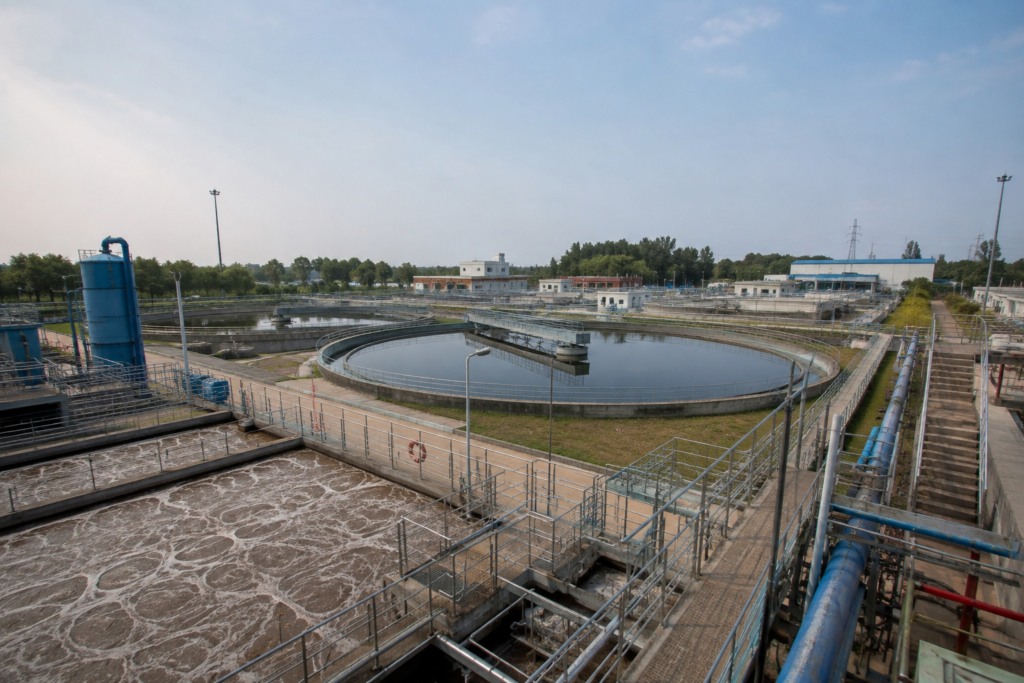
Tracks signals from flow, pH, turbidity, and chemical dosing equipment while monitoring pump and level-switch statuses, helping operators respond quickly to process deviations.

04
Monitors suction and discharge pressure, lubrication parameters, temperature, vibration, and equipment status to provide clear indication of developing compressor faults.

05
Monitors temperature, pressure, flow, and conductivity signals across processing and cleaning systems, helping operators maintain process conditions and identify deviations during production.

06
Monitors critical temperature, pressure, flow, and equipment-status signals across kiln, compressor, and material-handling systems, providing timely alarm indication when operating conditions move beyond set limits.
Integrates 16–24 channels of analog (4–20 mA) and digital (24VDC) signals.
Includes acknowledge, test, and reset functions for efficient control
Field-proven for over a decade across multiple industries.
MODBUS-485/TCP connectivity for SCADA and remote monitoring.
Standard 144 × 144 mm panel mount with clear window annunciations



A digital analog annunciator monitors both analog process signals (like temperature, pressure, current) and digital fault inputs from the same unit, and raises alarms the moment any parameter crosses a set threshold. It gives operators a single, clear view of what's happening across multiple processes without jumping between instruments.
Up to 13 analog inputs (4–20mA, optically isolated) and 24 digital inputs at 24VDC, all monitored simultaneously from a single 144×144mm panel mount unit. For a control room managing multiple process loops and equipment fault signals, that's significant coverage in a compact footprint.
Yes, RS-485 Modbus RTU is standard, with Modbus TCP available as an option. This allows the annunciator to feed alarm and process data directly into SCADA or plant DCS systems, so control room operators get the same information without needing to physically check the panel.
Power plants, oil & gas facilities, cement and steel plants, substations, water treatment facilities, and data centers — essentially any industrial setup running multiple process loops or critical equipment where faults need to be flagged instantly and clearly.
It generates 24VDC digital outputs linked to threshold conditions, plus relay contacts for group alarms, allowing the annunciator to trigger hooters, indicator lamps, or external control actions alongside the visual alarm display. Local and remote alerting happen simultaneously.
Chhabi Electricals' digital analog annunciators are field-proven across power, oil & gas, and heavy industry applications for over a decade, built to handle the signal noise, temperature variation, and continuous duty cycles that industrial environments actually put equipment through.
A relay-based alarm system gives you a simple on/off output with no context. A digital analog annunciator tells you which channel faulted, what the measured value was, when it happened, and whether it was acknowledged — all from the same unit. The difference in fault response time and diagnostic clarity is significant.
Yes, by integrating 13 analog inputs and 24 digital inputs into one unit, it replaces a row of individual meters, indicators, and alarm relays that would otherwise take up significant panel space. For panel builders and system integrators, that consolidation simplifies both wiring and ongoing maintenance.
Any process variable with a 4–20mA transmitter output — flow rate, level, voltage, current, humidity, vibration, and more. The programmable threshold system means the same annunciator adapts to different physical quantities just by changing the setpoint and engineering unit configuration.
With Modbus RTU or TCP, every alarm event and measured value is available to the SCADA or DCS system in real time, so a control room engineer monitoring remotely sees exactly what the field operator sees at the panel. For facilities with unmanned or partially manned substations, this remote visibility is operationally essential.