
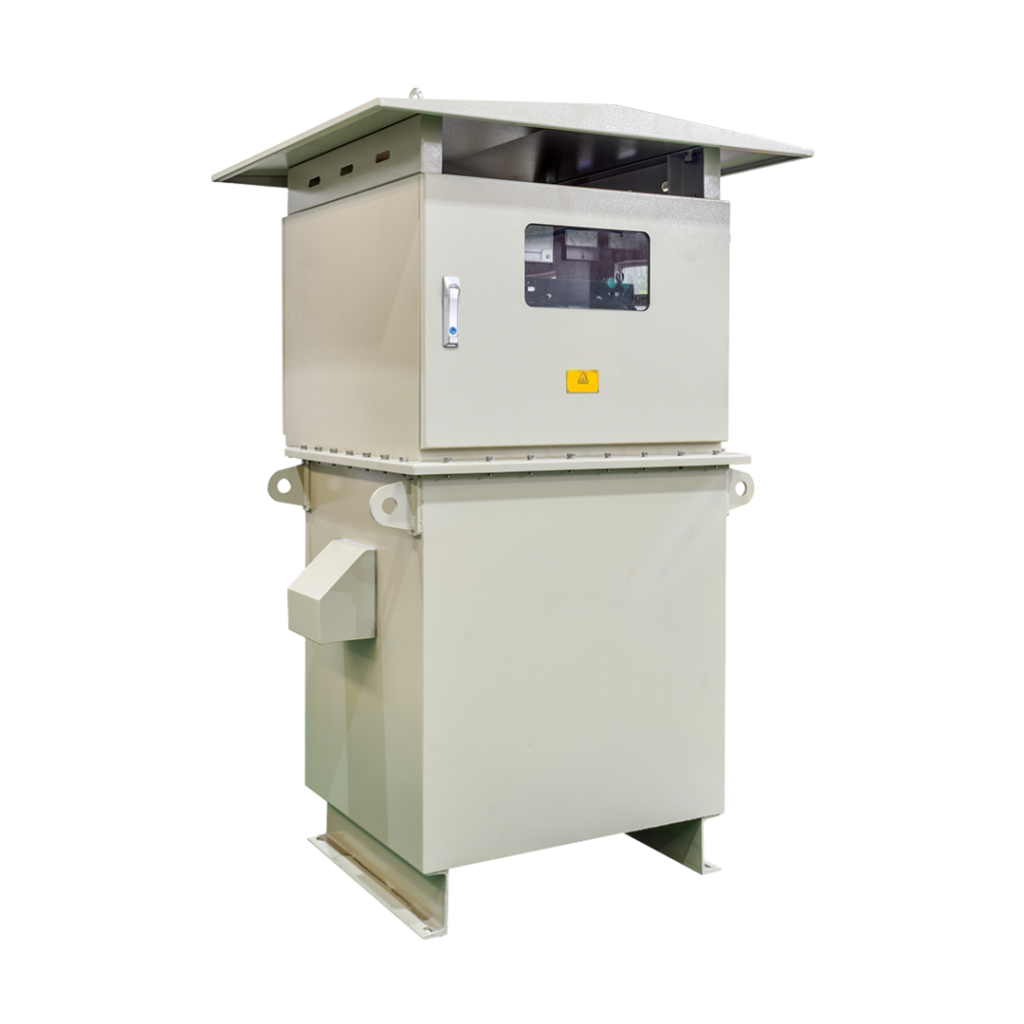
| Specification | Details |
|---|---|
| Control Mode | Constant Current (manual adjustment) |
| Input Supply | 230V / 415V AC, 50Hz, 1Ø or 3Ø (customizable) |
| Output Voltage Range | 0–50V / 0–100V DC (other ranges on request) |
| Output Current Range | 0–10A up to 0–500A (higher on request) |
| Ripple Factor | <3% at full load |
| Operating Temperature | 0°C to +55°C (continuous duty) |
| Cooling | Natural air-cooled, forced-air cooled, or oil-cooled |
| Enclosure Protection | IP31 / IP42 (others on request) |
| Protection Features | AC input breaker, DC output breaker/fuses, surge arrestors, overload & short-circuit protection |
Long-Term Protection for Buried and Submerged Assets
Pipelines, tanks, and marine structures face constant risk from corrosion. Chhabi’s Cathodic Protection Rectifiers provide controlled DC output for impressed current cathodic protection (ICCP), ensuring structural integrity and safety across decades of service.
Cathodic Protection Rectifiers supply the controlled DC current required by impressed current cathodic protection systems. They are used across buried, submerged, and reinforced-steel structures where maintaining the required protection potential is essential for controlling corrosion and extending infrastructure life.
01
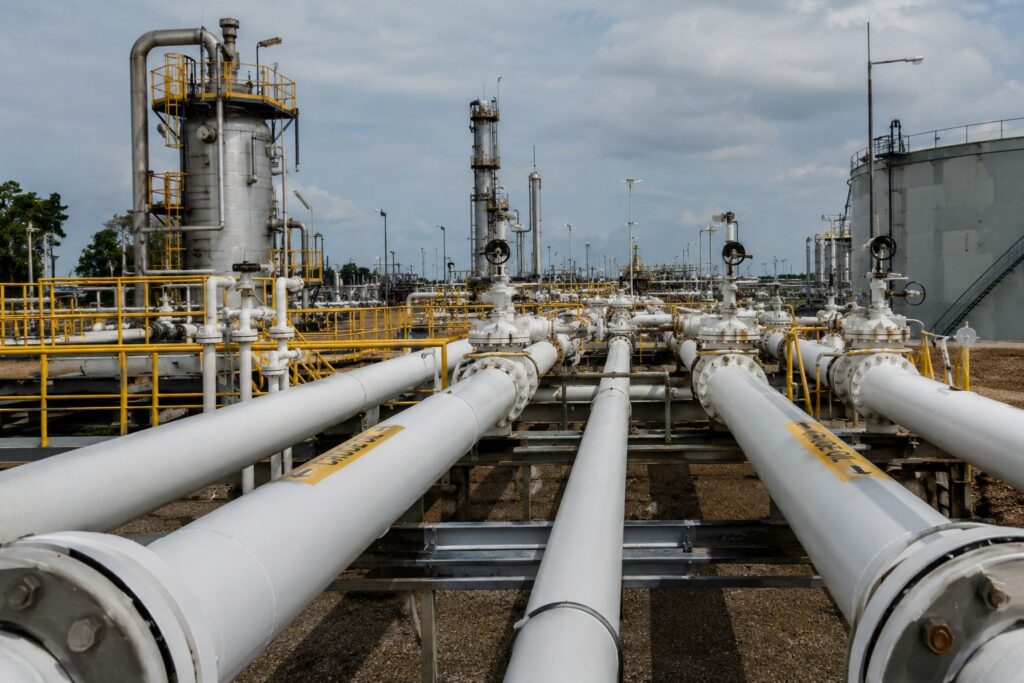
Buried pipelines remain exposed to electrochemical corrosion through surrounding soil and moisture. The rectifier supplies controlled DC current to the anode system, maintaining the pipeline at the required protective potential and helping prevent progressive metal loss, coating breakdown, and leakage.
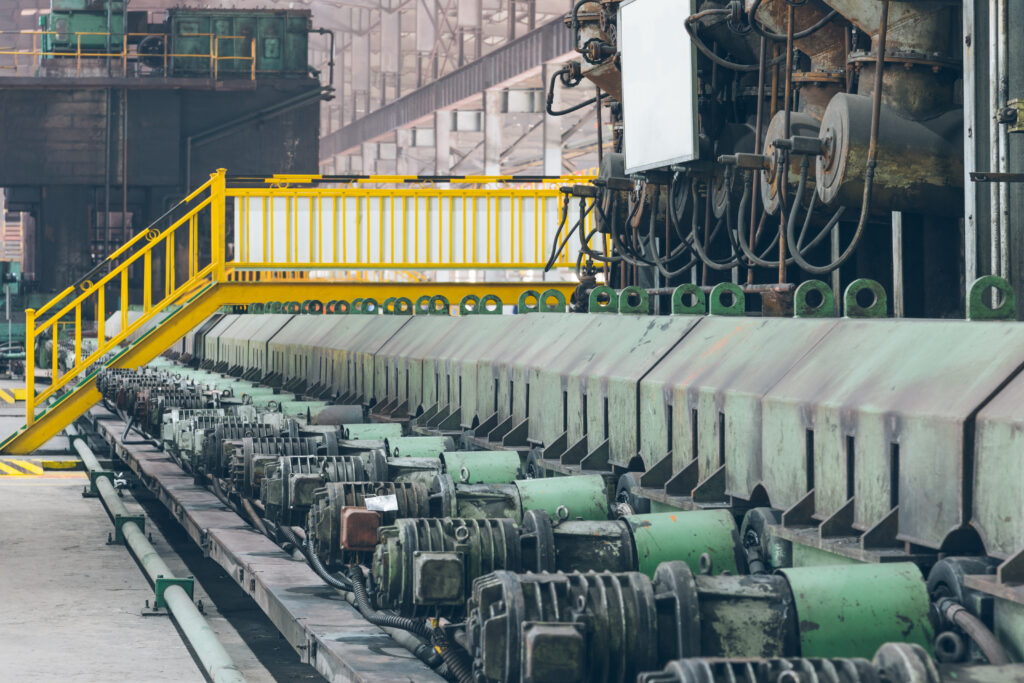
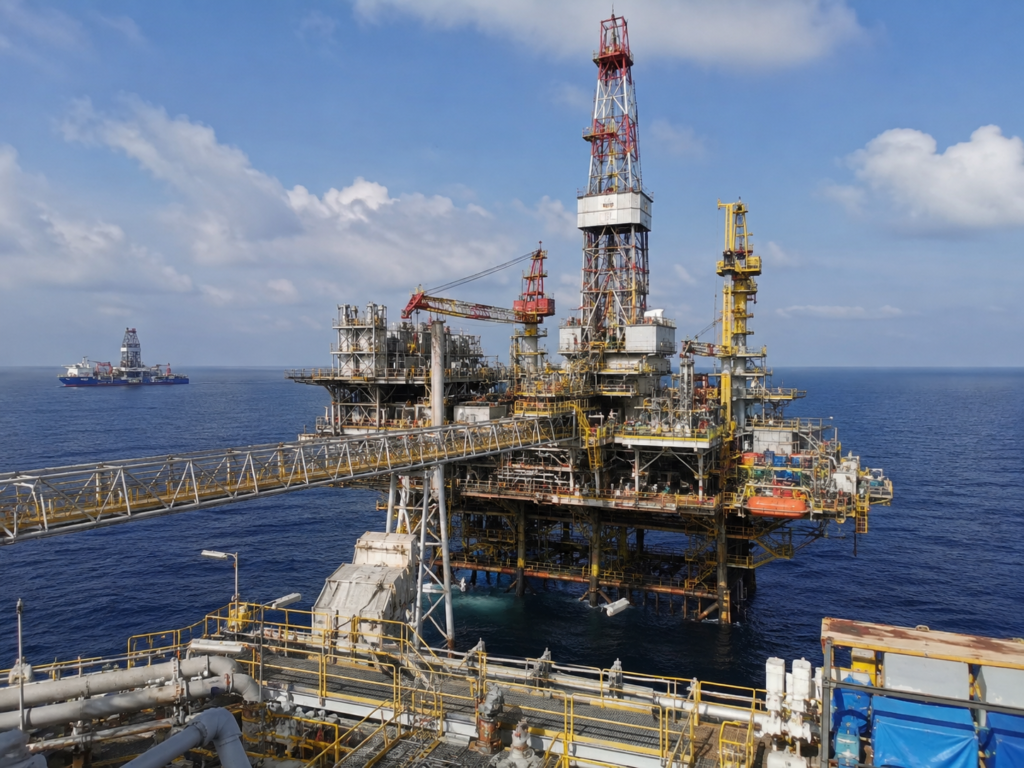
Offshore platforms, jetties, quay walls, and other submerged steel structures face aggressive seawater corrosion. The rectifier powers MMO or platinum-coated titanium anodes to maintain the steel within the required cathodic protection range during continuous marine operation.
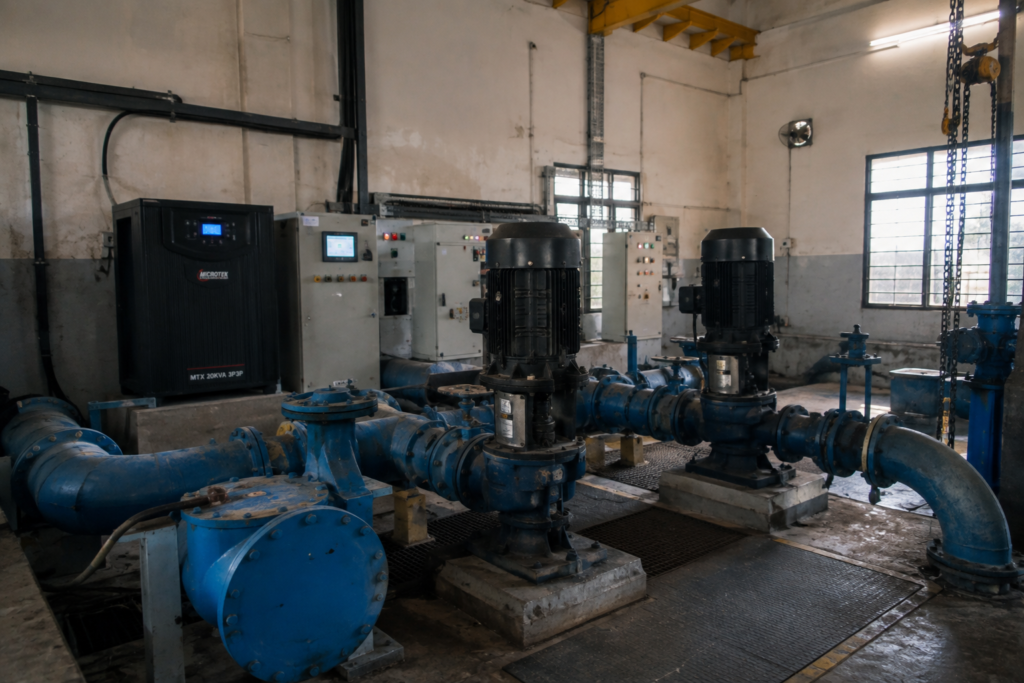
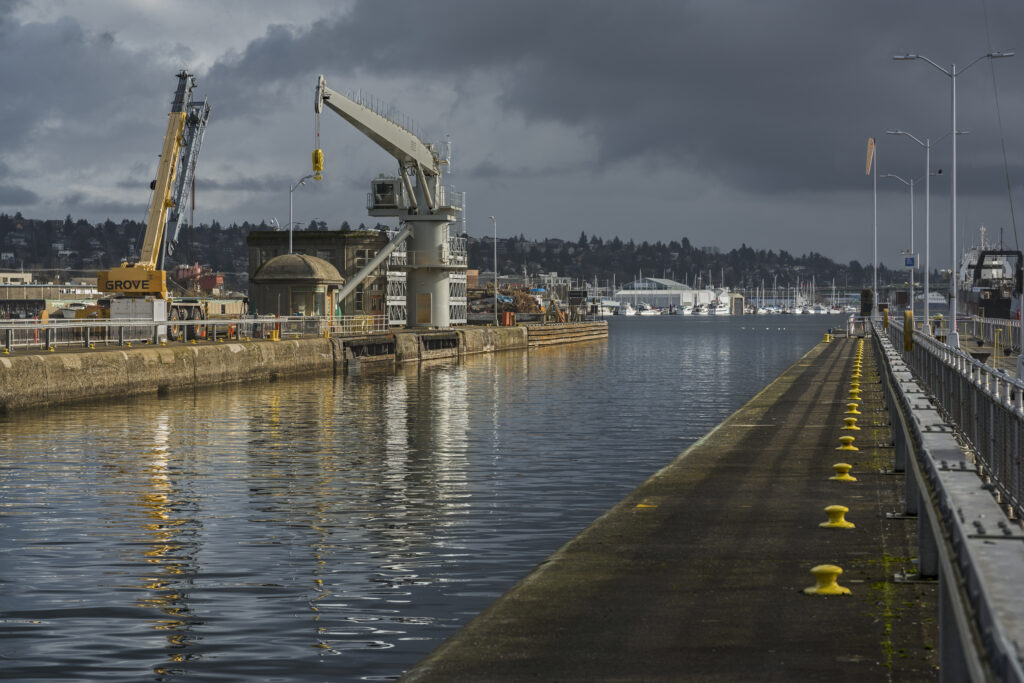
Water mains, reservoirs, storage tanks, and buried utility structures can develop corrosion from prolonged soil exposure. Controlled DC output provides the protection current required to reduce steel corrosion and extend the service life of critical water infrastructure.
04
Buried gas pipelines require continuous corrosion control to maintain pipeline integrity over long operating periods. The rectifier supplies adjustable protection current to the ICCP system, while built-in voltage and current metering allows operators to monitor and record protection performance during routine inspections.
05
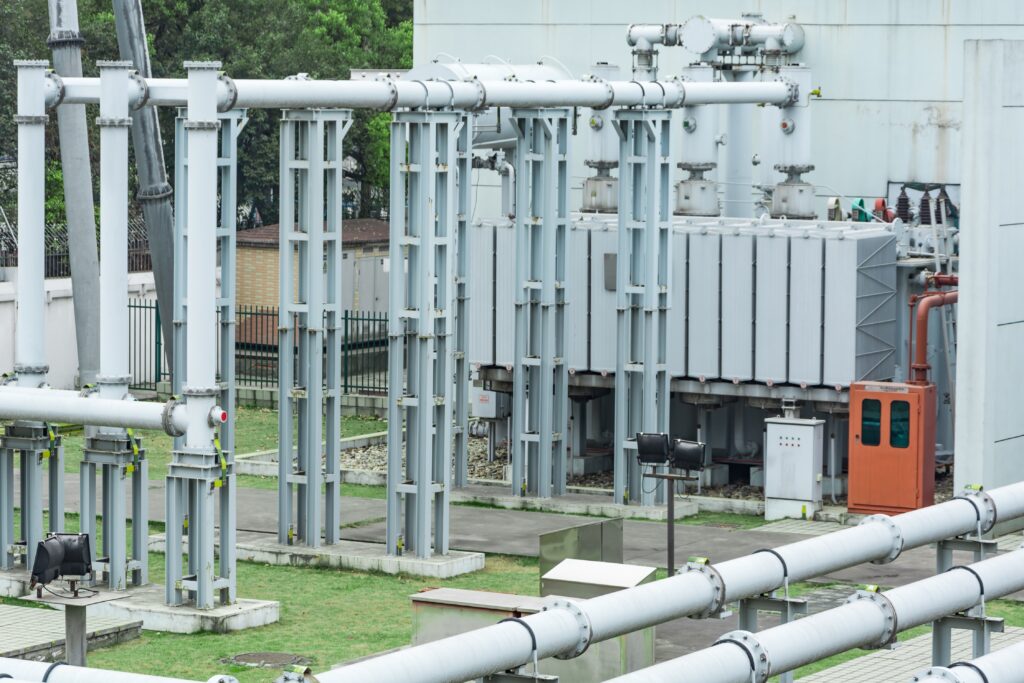
Chloride exposure can cause corrosion of reinforcement inside coastal bridge decks, piers, and other RCC structures. Cathodic protection rectifiers provide the low-voltage DC power required by embedded anodes or conductive coatings to control reinforcement corrosion and support long-term structural durability.
06
Steel storage tanks containing water, hydrocarbons, and other materials can experience corrosion on submerged or soil-contact surfaces. The rectifier supplies controlled current to the tank’s cathodic protection system, helping maintain the required protection level and reduce corrosion-related maintenance and premature replacement.
Manual adjustment for precise polarization of structures.
Transformer plus silicon diode/SCR rectification for long service life.
Available in natural, forced-air, and oil-cooled designs.
Includes breakers, output shunts, fuses, and surge protection.
Provides output metering for voltage and current with shunt-based measurement.
Voltage and current ranges tailored for pipelines, tanks, and marine environments
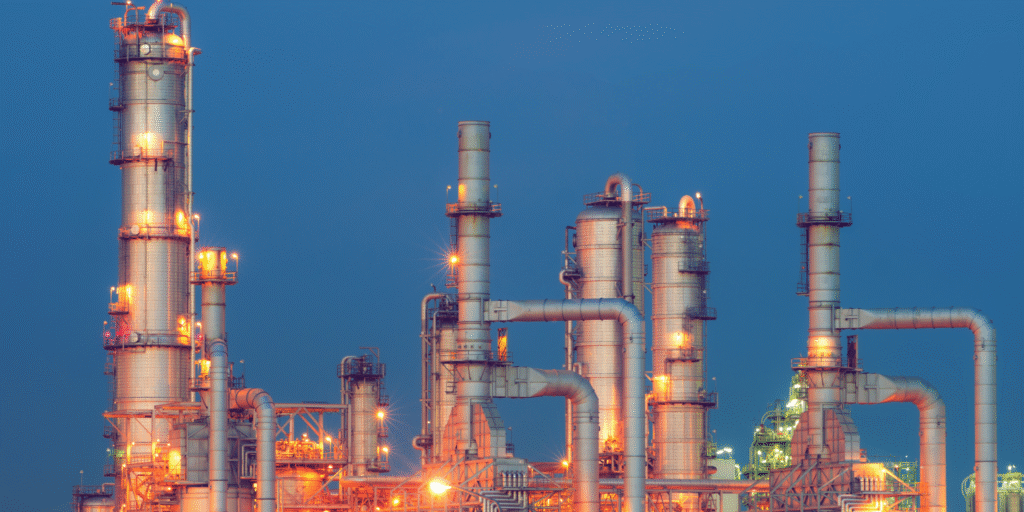

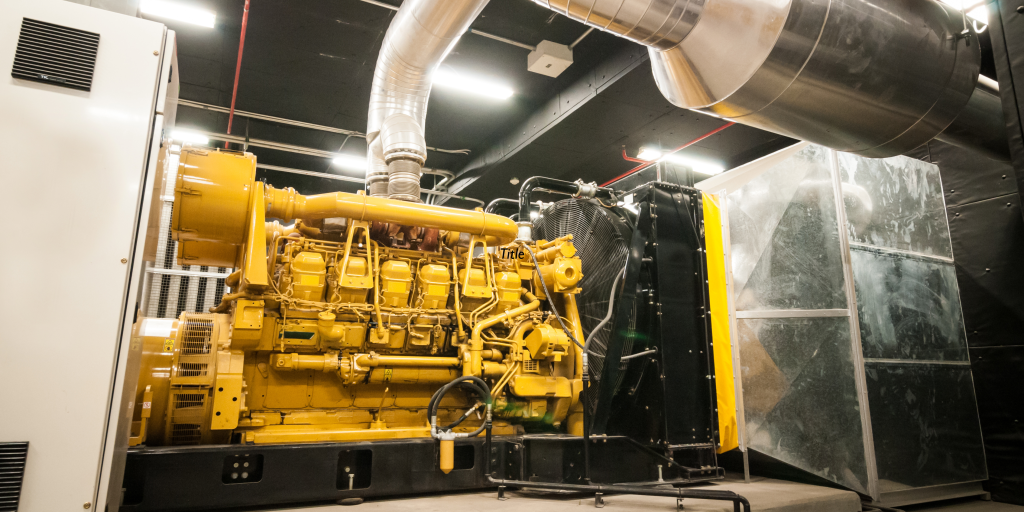

A cathodic protection rectifier supplies controlled DC current to protect metal structures from corrosion. It shifts the electrochemical reaction away from the structure so it doesn't deteriorate. This helps maintain the strength and life of pipelines, tanks, and other assets.
Long pipelines face uneven soil conditions, which can accelerate corrosion at different points. Rectifiers allow adjustable current to match these variations. This ensures uniform protection across the entire length.
Output control lets you fine-tune voltage and current based on site conditions. This prevents both under-protection and over-protection. Balanced control leads to more effective and stable corrosion prevention.
Trusted cathodic protection rectifier manufacturers use quality components and proper design to deliver stable DC output. They focus on heat management and reliable operation under continuous load. This ensures consistent corrosion protection with minimal performance issues. Chhabi Electricals follows these standards in every unit it manufactures.
ICCP systems use rectifiers to deliver continuous and controlled current over large structures. This makes them more effective than passive systems in demanding environments. They are ideal for long-term corrosion protection.
Yes, they are commonly used for ships, offshore platforms, and submerged pipelines. These environments are highly corrosive due to saltwater exposure. Chhabi Electricals provides cathodic protection rectifiers designed for continuous performance in such conditions.
A reliable cathodic protection rectifier supplier should provide accurate specifications based on your site and load requirements. They also offer technical support for selection, installation, and performance optimization. Chhabi Electricals delivers all of this, ensuring the system works efficiently and delivers consistent long-term corrosion protection.
Yes, Chhabi Electricals' cathodic protection rectifiers can be integrated with remote monitoring systems, allowing real-time tracking of current output, voltage, and corrosion potential. This supports proactive maintenance and helps ensure consistent protection performance across long pipelines and structures.
Chhabi Electricals is known for delivering durable and well-engineered cathodic protection rectifiers for industrial applications. Their systems are designed to provide stable DC output and reliable performance under continuous operation. This ensures effective corrosion protection and long-term operational efficiency.
Cathodic protection rectifiers prevent corrosion by supplying controlled DC current, which reduces metal degradation over time. This minimizes the need for frequent repairs, replacements, and unexpected downtime. As a result, industries can maintain asset reliability while significantly lowering long-term maintenance costs.