
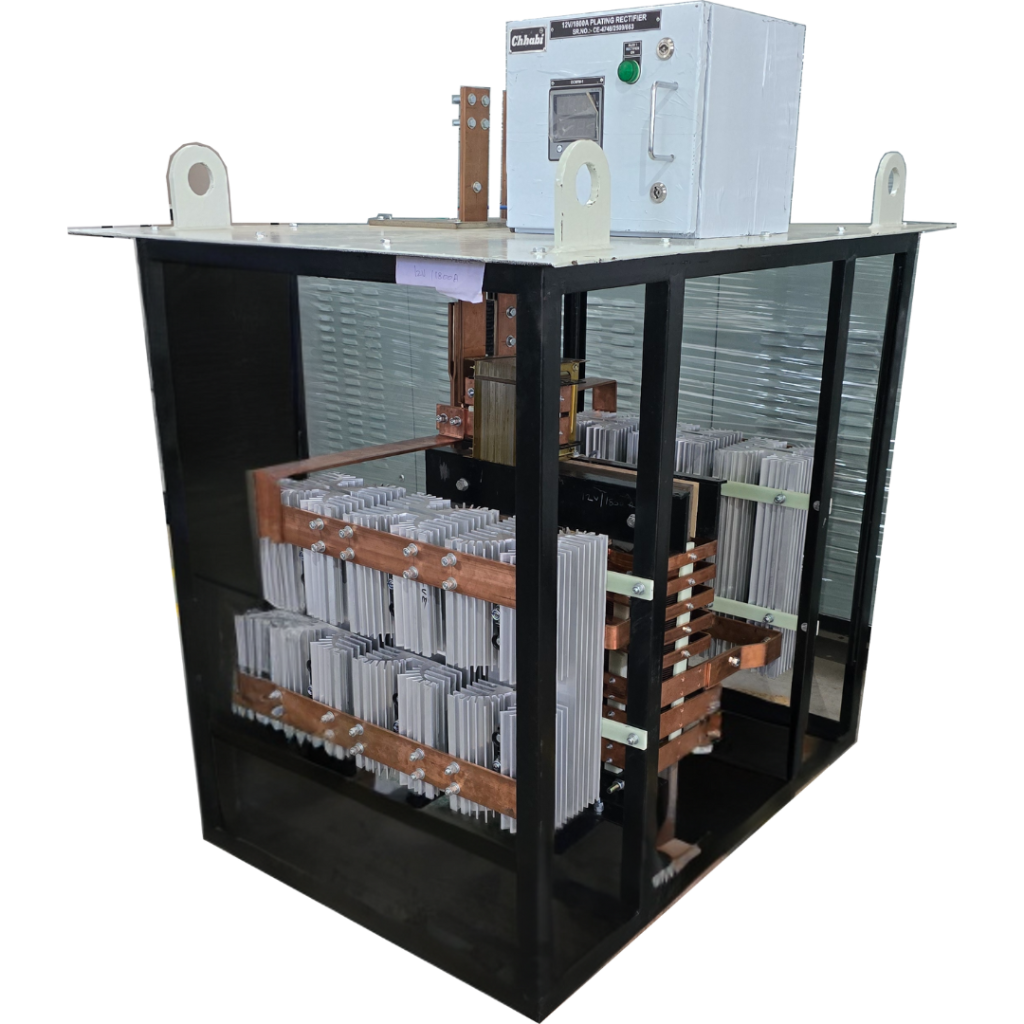
| Specification | Details |
|---|---|
| Input Voltage | 3-Phase, 415V AC, 50Hz |
| Output Voltage Range | 0–12V / 0–24V / 0–48V DC (customizable) |
| Output Current Range | From 500A onwards (higher ratings on request) |
| Ripple Factor | <3% at full load |
| Control Modes | Constant Voltage (CV) / Constant Current (CC) with auto crossover |
| Cooling | Air-cooled / Oil-cooled |
| Duty Cycle | 100% continuous |
| Protections | Undervoltage/overvoltage, overcurrent, short-circuit, over-temperature, SCR fuses |
| Monitoring | Digital/Analog meters with alarms |
| Enclosure Protection | IP31 / IP42 (higher IP on request) |
| Compliance | IEC 60146, IS standards for rectifiers |
Stable DC Power for Industrial Reliability
From flawless electroplating to powering heavy-duty processes, Chhabi’s Industrial Rectifiers deliver stable, precise, and reliable DC output. Designed for continuous operation, they ensure efficiency, safety, and superior process outcomes.
Electroplating Rectifiers are used across plating and anodising operations where the quality of the finished coating depends on stable current, controlled voltage, and repeatable process conditions. They help maintain uniform deposition, surface finish, coating thickness, and process consistency across different production requirements.

01
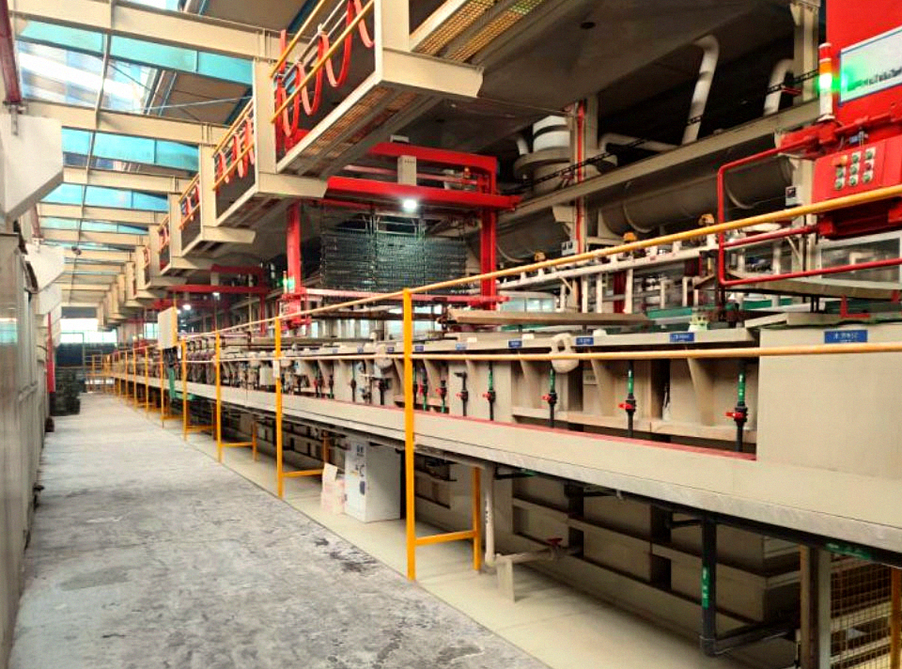
Chrome and nickel plating is used on automotive components where both appearance and surface durability matter. Stable, low-ripple DC output helps maintain even deposition and minimise defects such as burning and micro-pitting during continuous production.
Gold, rhodium, silver, and platinum plating require careful control of current because coating variation can affect colour, lustre, and tarnish resistance. Programmable plating parameters help maintain repeatable finishes across different jewellery designs and metal specifications.
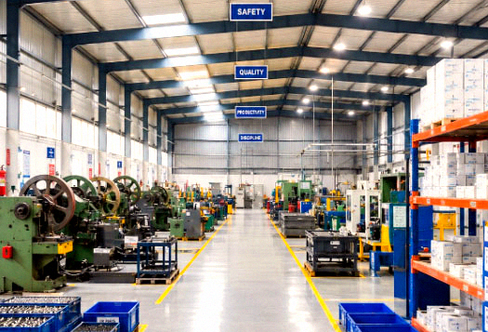
Fasteners, hydraulic fittings, bolts, nuts, and washers are plated to improve resistance to corrosion and meet required salt-spray performance. Stable DC output helps distribute the coating consistently across high-volume barrel loads while maintaining the required deposit thickness.
04
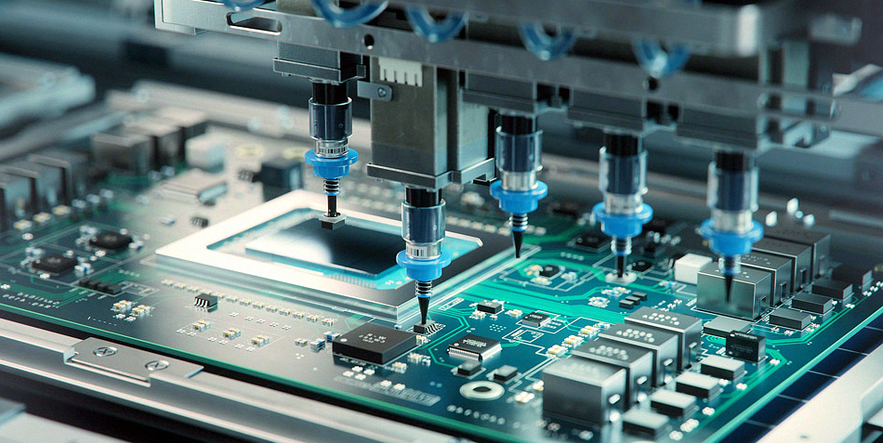
Copper plating inside PCB holes requires precise current control to build adequate and uniform copper thickness, particularly in high-aspect-ratio holes. Low-ripple DC output supports consistent deposition and helps maintain the electrical and mechanical reliability of plated circuit boards.
05
Aluminium profiles used in curtain walls, windows, shopfronts, and cladding are anodised for corrosion protection and a consistent decorative finish. Stable constant-current output helps maintain uniform oxide formation and coating quality across long extrusions during extended anodising cycles.
06
Engineering and industrial components are plated with zinc, nickel, chrome, or other metals to improve corrosion resistance, wear performance, or surface properties. Adjustable current and voltage allow the rectifier to match different component sizes, coating requirements, and plating bath conditions.
Minimal ripple (<3%) for consistent coating thickness and finish.
Continuous duty design for demanding environments.
Touchscreen HMI, real-time logging, and SCADA-ready Modbus/Ethernet communication.
Available in both air-cooled and oil-cooled variants for high reliability.
Overvoltage, undervoltage, overcurrent, over-temperature trip, and semiconductor fuses for SCR safety


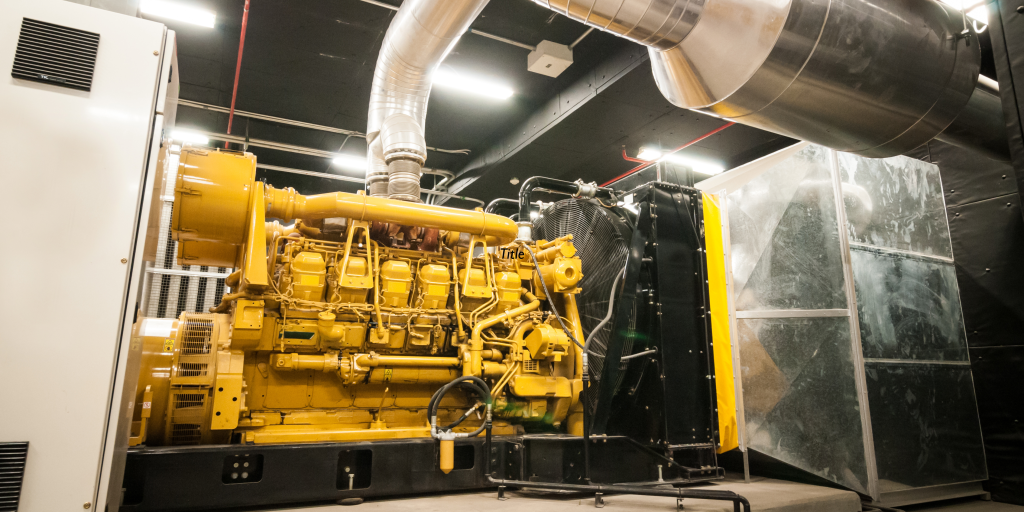

An electroplating rectifier converts AC power into stable, controlled DC output required for plating processes. It allows precise adjustment of voltage and current, which is critical for maintaining uniform metal deposition. Chhabi Electricals designs these rectifiers for continuous load performance, ensuring consistent coating quality and improved overall process efficiency in industrial electroplating operations.
Chhabi Electricals electroplating rectifiers are available across a wide range of voltage and current configurations to suit diverse industrial requirements. From low-current precision plating to high-current heavy-duty operations, each unit is custom-built to deliver stable DC output within the specified parameters, ensuring accurate process control and reliable performance throughout.
Important factors include voltage range, current rating, efficiency, and cooling method. The rectifier should match your specific plating process requirements. Proper selection ensures stable and cost-effective operation. Chhabi Electricals can help evaluate your plating needs and recommend the right rectifier configuration.
Industrial rectifiers are engineered to handle high current loads with stable DC output, even during continuous operations. They use robust components and advanced cooling systems to prevent overheating under demanding conditions. This ensures reliable performance, minimal downtime, and consistent results in large-scale industrial processes.
Electroplating requires a unidirectional current so metal ions consistently move toward the cathode for uniform deposition. AC supply keeps reversing polarity, which disrupts the plating process and leads to uneven or poor coating. A rectifier converts AC into stable DC, ensuring proper adhesion, thickness control, and consistent finish quality.
Yes, industrial rectifiers are designed for continuous-duty operation with stable DC output under varying load conditions. They use efficient cooling systems and heavy-duty components to manage heat during long working hours. This ensures consistent plating performance without interruptions in production.
Current density controls the rate at which metal ions deposit on the surface during electroplating. If it is too high, it can cause burning or rough deposits; while too low can result in dull or uneven coating. Maintaining the correct current density ensures smooth finish, proper thickness, and strong adhesion of the plated layer.
Chhabi Electricals focuses on durable design, efficient performance, and application-based solutions. Their rectifiers are suitable for continuous industrial operations, ensuring dependable output and long-term operational efficiency. Backed by decades of experience, Chhabi Electricals is a trusted name for electroplating rectifier solutions across India.
Rectifier capacity determines the maximum current and voltage it can supply for a specific electroplating process. An undersized unit may lead to overload, unstable output, and inconsistent metal deposition. Selecting the right capacity ensures efficient operation, uniform coating quality, and reliable performance under continuous industrial loads.
Yes, Chhabi Electricals offers industrial rectifiers designed for various electroplating applications and load requirements. Their systems are built to deliver stable DC output with consistent performance. This helps achieve better control and uniform coating results.