
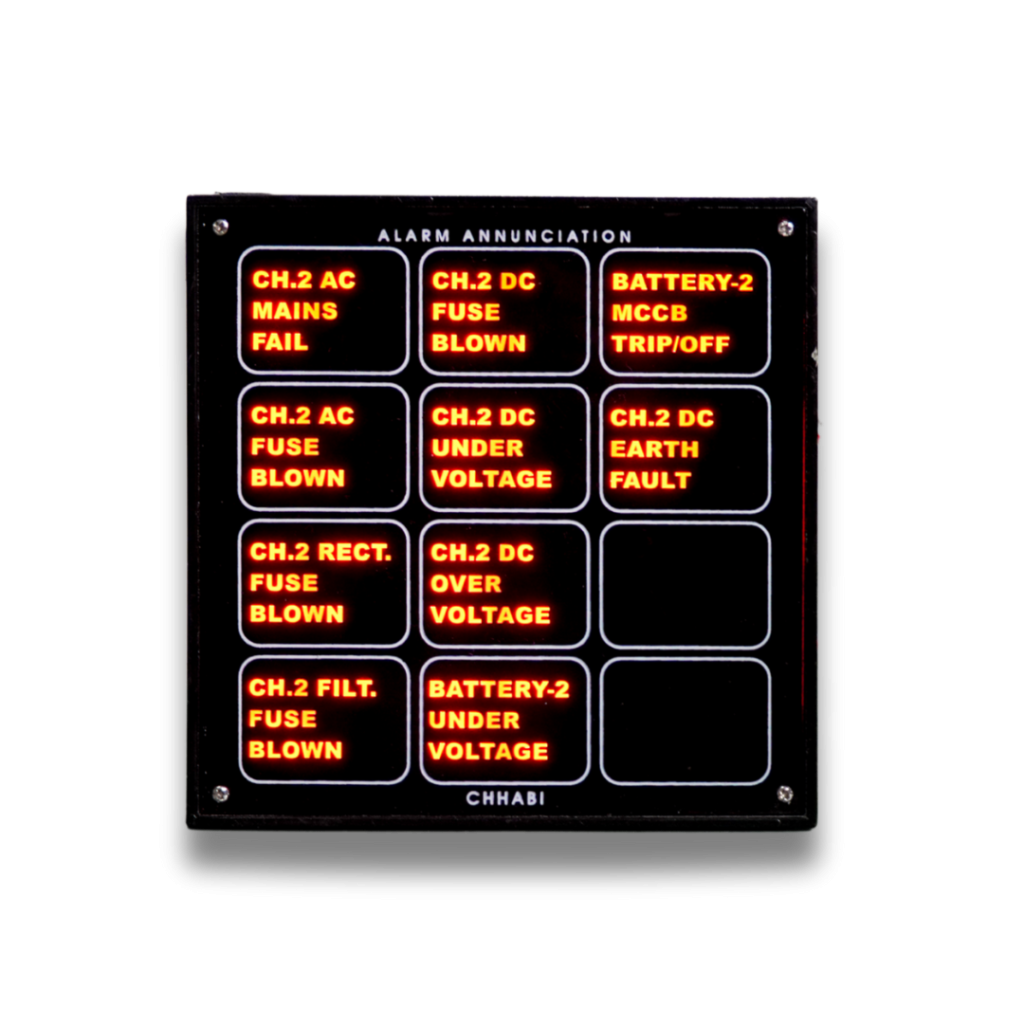
| Specification | Details |
|---|---|
| Number of Windows | 4, 6, 8, 12 |
| Indication Type | Individual window displays with replaceable legend plates (lamp/LED illumination) |
| Auxiliary Supply Voltage | 24V DC / 48V DC / 110V DC / 220V DC (factory selectable) |
| Input Type | Potential-free contacts / voltage inputs (configurable) |
| Alarm Outputs | Common alarm relay, group alarm relay, audible buzzer output |
| Functions | Test, Accept, Reset, Hold |
Clear, Dedicated Windows for Every Fault
For complex industrial setups where multiple alarms must be managed simultaneously, Chhabi’s Window-Type Annunciators provide maximum clarity. Each fault is displayed in a dedicated, labeled window for instant recognition
Window-Type Annunciators provide individually labelled visual windows for multiple alarm and trip conditions, helping operators identify the initiating fault quickly when several alarms occur together during a process or equipment disturbance.
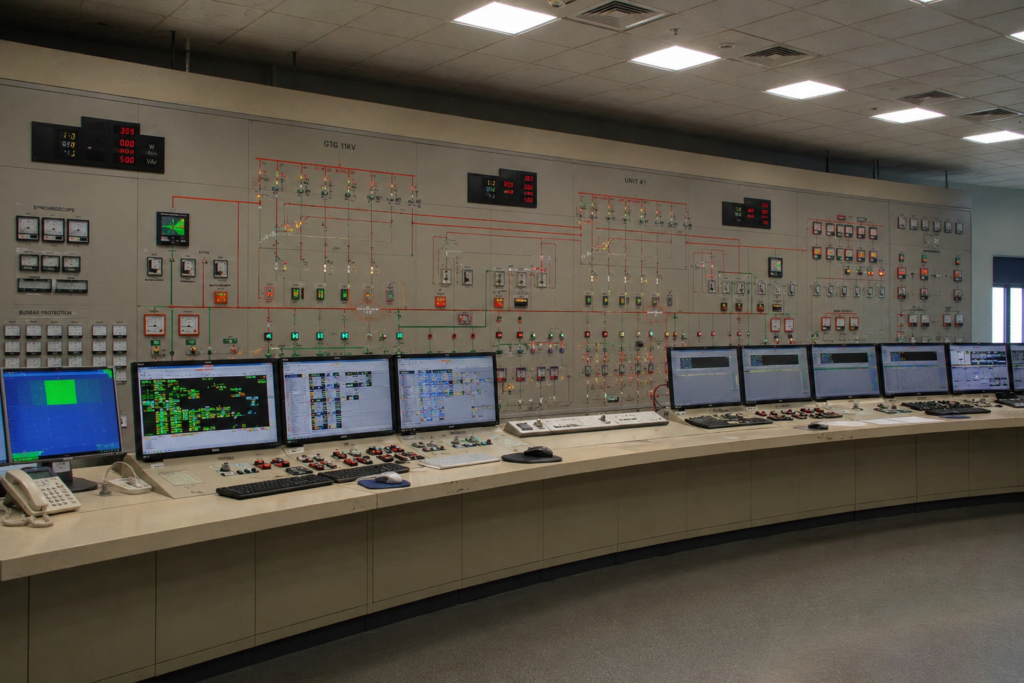
01
Provides individual windows for generator protection, boiler pressure, turbine vibration, and other critical alarms, helping operators identify the initiating fault quickly during a plant disturbance.

Displays high discharge temperature, low lube-oil pressure, high vibration, seal-gas failure, and ESD alarms through dedicated windows, allowing rapid identification of the condition requiring shutdown.
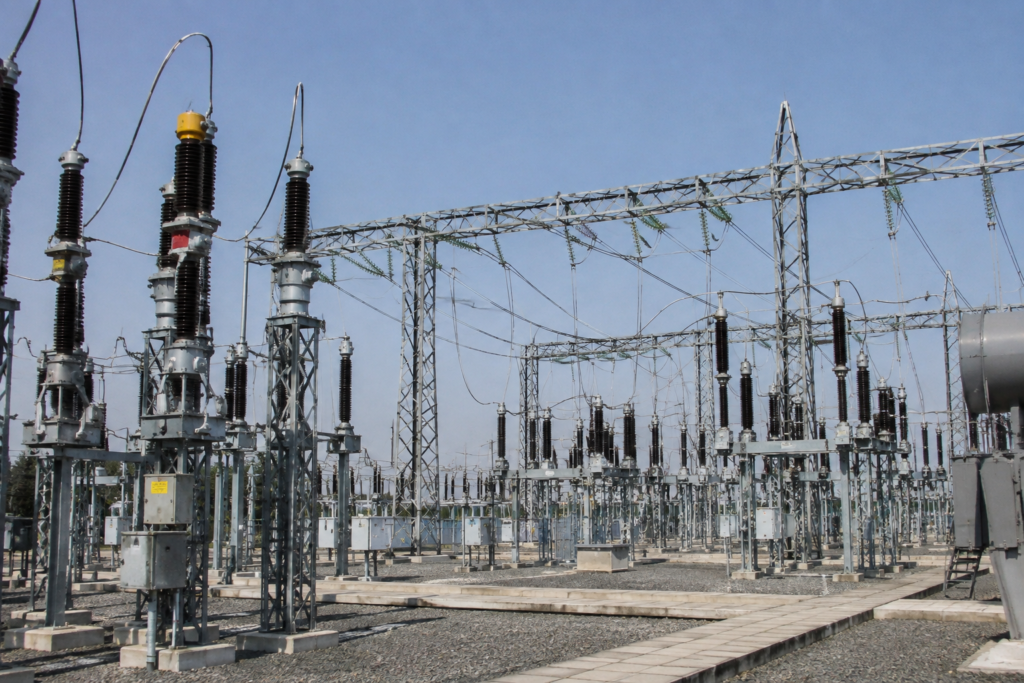
Provides dedicated windows for AC failure, DC over/under-voltage, battery under-voltage, fuse failure, earth fault, and charger temperature alarms affecting station DC availability.
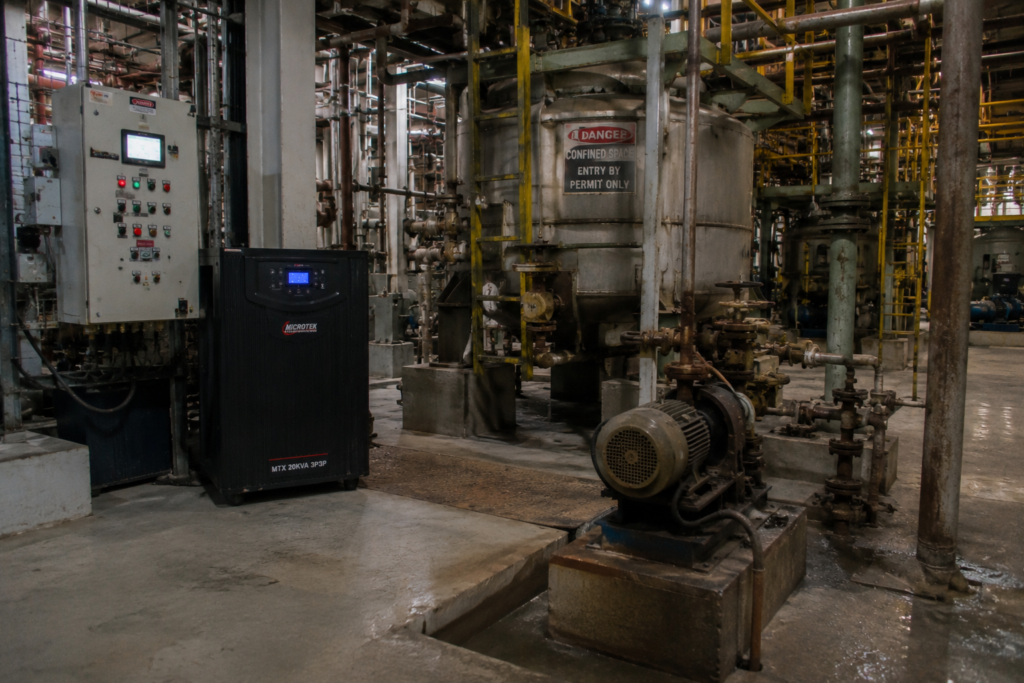
04
Indicates reactor temperature and pressure deviations, agitator faults, cooling-water failure, and emergency quench operation, helping operators distinguish the condition responsible for a batch upset.

05
Displays differential, reverse power, rotor earth fault, loss of excitation, frequency, AVR failure, and inter-trip alarms, giving operators a clear indication of the protection function that initiated a generator trip.

06
Provides individual alarm windows for pump trips, blower faults, high tank level, dosing-system failures, and other process conditions, allowing control-room operators to identify the affected equipment without checking each field panel.
Dedicated windows for each fault enable rapid identification.
Acrylic or polycarbonate windows with high-intensity backlighting.
Custom labeling with replaceable legend plates and dual-color indicators (red/green).
Includes relays for group alarms, common alarms, and audible buzzers



A window alarm annunciator is a visual alert system that displays fault or status signals through illuminated windows. Each window corresponds to a specific input, helping operators quickly identify issues. It is widely used in control panels for real-time monitoring.
Window-Type Annunciators are used in industries like power plants, substations, and automation systems. They help in monitoring alarms and faults in electrical panels. Their clear visual indication improves response time in critical operations.
Unlike basic alarm systems that only provide sound alerts, Chhabi Electricals window-type annunciators offer precise fault identification through dedicated visual indicator windows. Each window represents a specific issue, allowing operators to instantly locate and address the problem. This centralized alert display reduces downtime, speeds up corrective action, and significantly improves operational safety in complex industrial environments.
A single-point window annunciator monitors and displays one specific fault or alarm condition, making it suitable for simpler systems. A multi-point annunciator, on the other hand, handles multiple fault signals simultaneously, with each window dedicated to a different alarm, ideal for complex industrial setups where multiple parameters need continuous monitoring. Chhabi Electricals offers both variants, customized to suit specific operational requirements.
Annunciator panels make troubleshooting faster by clearly indicating the exact fault location through dedicated visual windows. Instead of checking the entire system manually, operators can instantly identify which circuit or component has an issue. This saves valuable time and reduces downtime.
Yes, Chhabi Electricals offers customized window-type annunciators as per your system needs, including window configuration and labeling. This makes installation easier and ensures better performance in different industrial applications.
A window alarm annunciator is designed to monitor multiple input signals simultaneously and display each fault on a dedicated window. This helps operators identify the exact issue without confusion. It ensures faster response and better control in complex electrical systems.
Chhabi Electricals' Window-Type Annunciators are built with high-visibility LEDs and robust components that perform well in harsh conditions. They provide consistent alert indication even in continuous operations, making them suitable for critical applications like power and process industries.
Yes, annunciator panels can be easily integrated with PLCs and automated control systems. They receive input signals and provide clear visual alerts for system status. This enhances monitoring efficiency in automated environments.
Chhabi Electricals brings over six decades of experience in power electronics and panel systems. Their window-type annunciators are backed by technical support, customization capability, and a proven track record across power plants, substations, and process industries across India.