
Power solutions for mission-critical infrastructure where uptime is essential.
Critical infrastructure and digital facilities depend on reliable power to keep essential systems operating without interruption. Data centres, railway networks, defence installations, and other mission-critical environments rely on stable backup power for computing, communication, control, signalling, and security systems. Chhabi Electricals provides engineered AC and DC power solutions designed to support continuous operations, protect critical loads, and maintain dependable performance across demanding environments.
Critical infrastructure requires power systems that can remain dependable under continuous operation, changing loads, and unexpected supply disturbances. As digital and mission-critical systems become increasingly interconnected, backup power must provide more than basic outage protection. It must support availability, electrical stability, system monitoring, and long-term operational performance.
Critical equipment needs a dependable power source that can continue supporting operations when the normal supply is disturbed.
Sensitive electronic and IT equipment requires stable, regulated power to operate reliably under varying electrical conditions.
Battery-backed UPS and DC systems provide an additional power source for designated loads during interruptions.
Critical loads need properly configured AC and DC distribution with suitable protection and isolation.
Electrical parameters, alarms, and equipment status need to be accessible for timely response and maintenance.
Power systems must be suitable for extended operation with provisions for inspection, servicing, and system expansion.
Power solutions designed around the power continuity, protection, distribution, and monitoring requirements of mission-critical infrastructure.
Maintains backup power availability for essential systems during interruptions and unstable supply conditions.
Supports controlled and protected distribution of AC and DC power to critical loads across the facility.
Battery-backed systems provide stored power for essential loads when the primary supply is unavailable.
Protection and isolation systems help safeguard critical equipment against electrical faults and abnormal operating conditions.
Continuous monitoring and alarm systems provide visibility into power parameters, equipment status, and battery conditions.
Engineered power systems support continuous operation, planned maintenance, and dependable performance in demanding environments.

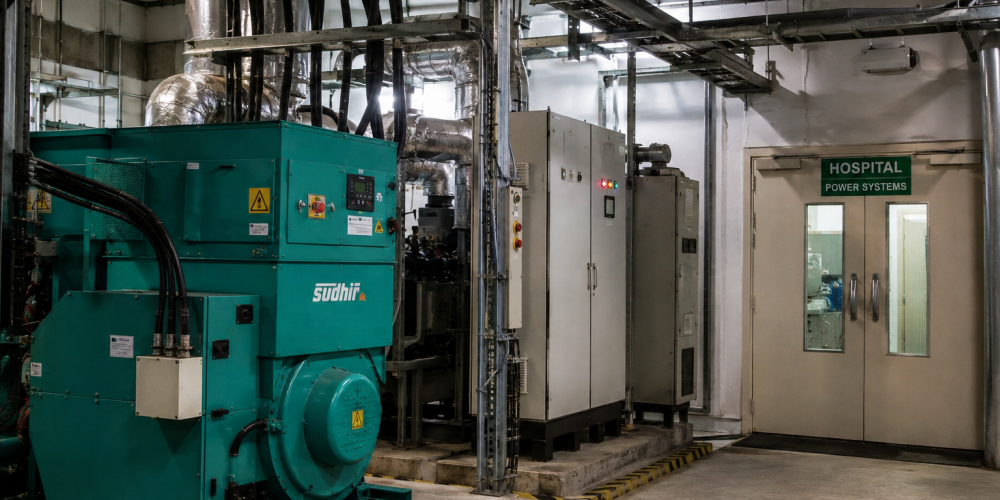
Supports life-support systems, OT lighting, nurse-call equipment, and medical gas monitoring with >90% efficiency, natural cooling, and N+1 modular redundancy for uninterrupted rated-load operation.
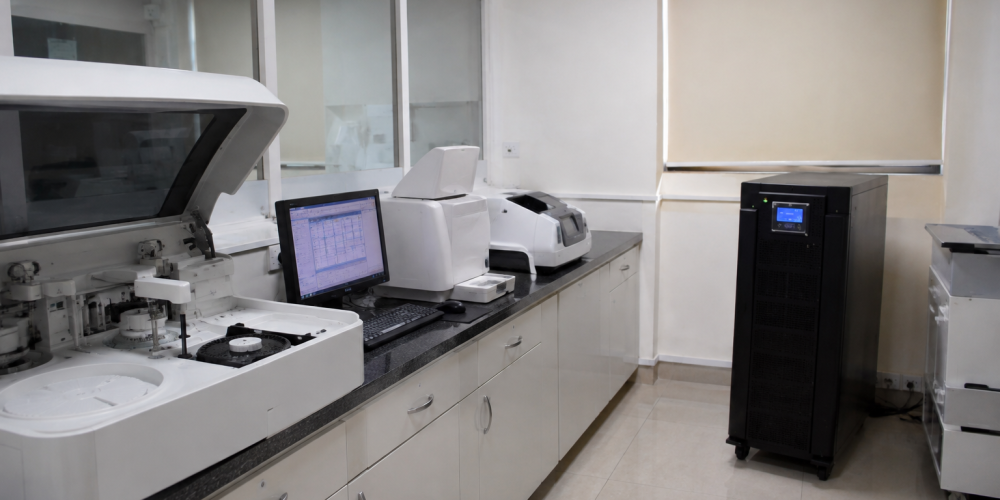
Pure sine-wave output and low THD create clean operating conditions for ECG systems, pathology analysers, digital X-ray workstations, and diagnostic IT equipment.
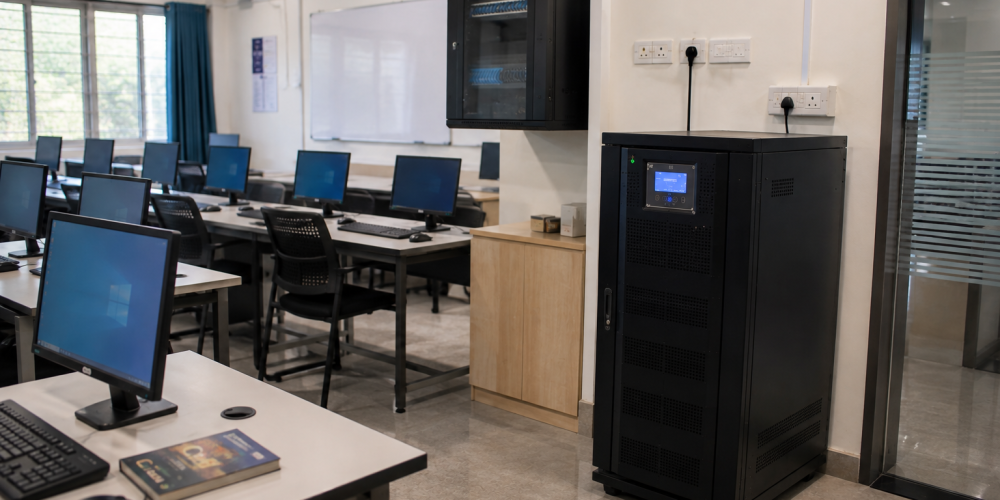
Computer labs, campus networks, examination systems, and administrative IT stay operational through frequent interruptions, with scalable configurations and intelligent battery management.
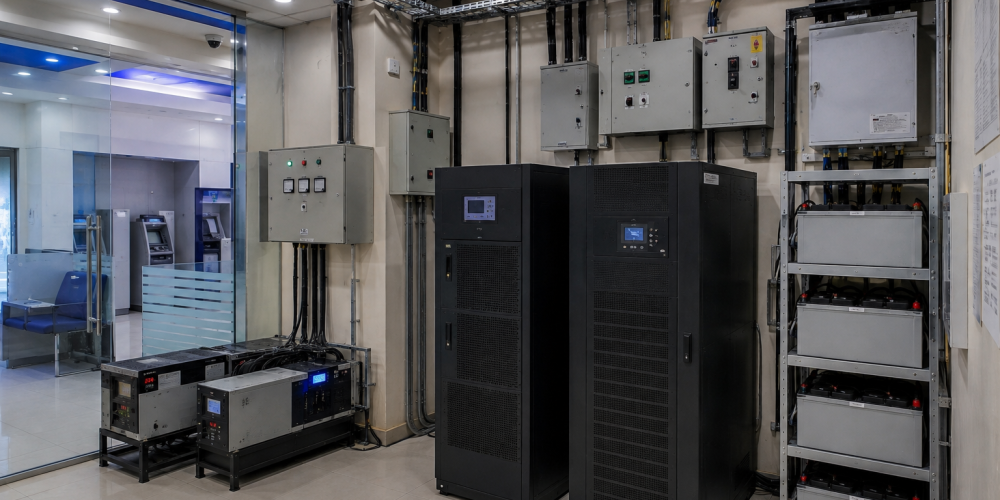
Ensures ATMs, payment terminals, and branch networking remain operational during local outages, with compact installation and flexible VRLA or Li-Ion battery options.
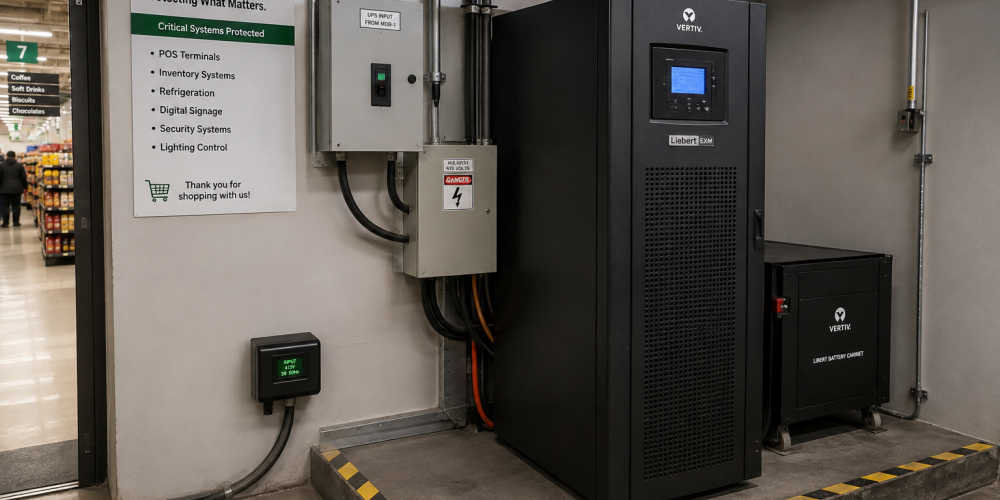
Keeps POS terminals, inventory systems, refrigeration monitoring, and digital signage active through power interruptions, while high input power factor reduces loading on the store's electrical network.
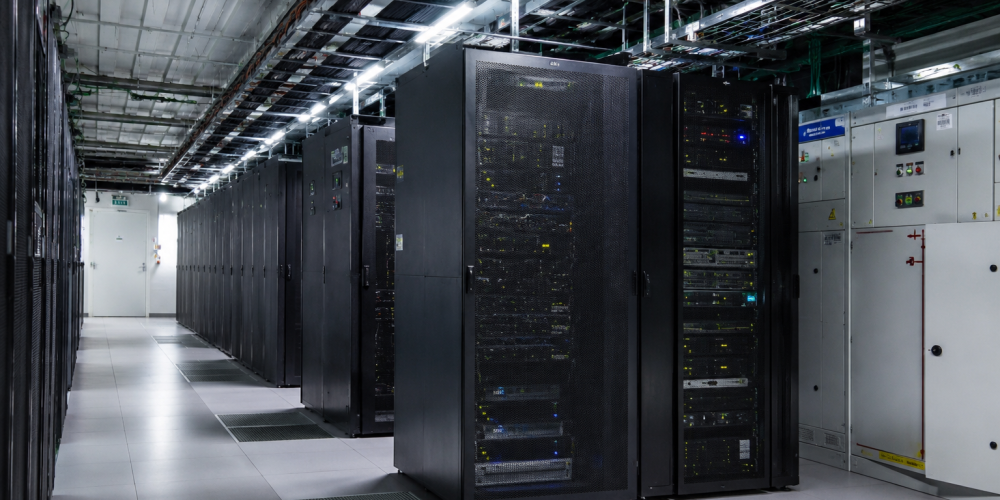
Integrates with BMS and DCIM platforms through Modbus RS-485, TCP/IP, and Profibus, giving operators real-time visibility of battery voltage, current, temperature, and alarms.
Critical infrastructure relies on dependable power across IT systems, control equipment, communication networks, and essential electrical loads. The power architecture must account for load characteristics, backup duration, voltage requirements, and system availability.
Sensitive IT, electronic, control, and communication equipment requires conditioned power to minimise the impact of voltage fluctuations and electrical disturbances.
AC UPS systems and DC power systems serve different load requirements and must be configured together according to the facility’s electrical architecture.
Battery capacity and backup requirements depend on connected load, required autonomy, DC voltage, and the expected duration of power interruptions.
Chargers must continuously support the connected DC load while maintaining the battery bank at the required charge level during normal operation.
Critical AC and DC loads require appropriate distribution, protection, and isolation to support safe operation and facilitate maintenance.
Power systems need clear visibility into operating parameters, battery condition, alarms, and equipment status to support timely intervention.
Different critical environments require different combinations of UPS, chargers, batteries, distribution, and monitoring systems. The selection depends on factors such as load requirements, backup duration, battery type, operating conditions, and required level of system availability.
Online UPS systems provide regulated and uninterrupted AC power for sensitive IT and electronic loads. Configurations can include redundancy and battery options suited to the application.
Industrial DC systems provide controlled DC power for critical loads. Chhabi’s charger range includes thyristor, digital, SMPS modular, and IGBT-based technologies for different operating requirements.
Battery banks, battery isolation systems, ACDB and DCDB panels help store, distribute, isolate, and protect backup power across critical installations.
Battery Health Monitoring Systems, Earth Leakage Monitoring Systems, annunciators, and battery testing equipment help maintain visibility and support reliable system operation.
Mission-critical facilities operate with little tolerance for power interruptions or equipment failure. As digital systems expand and infrastructure becomes more dependent on electronic control and communication, power systems must remain stable, available, and ready to respond when required.
Data, communication, control, and security systems often need to remain available continuously, making dependable backup power essential.
Voltage variations and supply disturbances can affect sensitive equipment and critical electrical systems.
Modern infrastructure relies heavily on servers, networking, control, signalling, and communication equipment that require stable power.
Battery and UPS systems must remain charged, healthy, and ready to support essential loads during a power interruption.
Expanding digital infrastructure, new equipment, and increasing system loads can place additional demands on existing backup power systems.
Continuous monitoring, testing, and planned maintenance help identify equipment and battery issues before they affect critical operations.
Engineered power solutions designed around the continuity, protection, and operational requirements of critical infrastructure.
AC UPS, DC chargers, battery systems, distribution panels, protection, monitoring, and battery maintenance solutions under one power infrastructure portfolio.
Power systems are configured according to load requirements, voltage, battery type, backup needs, duty cycle, and operating conditions.
UPS and battery-backed DC systems provide dependable backup for essential loads during interruptions in the normal power supply.
Distribution and isolation solutions help manage critical AC and DC loads while supporting safe and controlled power operation.
Monitoring, annunciation, cell booster, and battery discharge solutions help maintain visibility and support battery system readiness.
Online UPS systems are commonly used where servers, networking equipment, storage, and other sensitive electronic loads require continuous conditioned power. The required UPS capacity depends on the connected load and the facility's power architecture.
A DC charger is used where essential equipment operates directly on a regulated DC supply, such as control, protection, signalling, communication, and industrial auxiliary systems. It also maintains the connected battery bank during normal operation.
Charger selection depends on the DC system voltage, connected continuous load, battery capacity, required charging current, duty cycle, and operating conditions. These parameters should be evaluated together when configuring the system.
The required battery capacity depends on the connected load and required autonomy period. Battery type, DC voltage, discharge characteristics, operating temperature, and future load requirements also influence the final configuration.
Chhabi Electricals provides AC UPS, DC chargers, battery systems, ACDB/DCDB, battery isolation solutions, monitoring and annunciation systems, and battery maintenance equipment for critical power applications.