
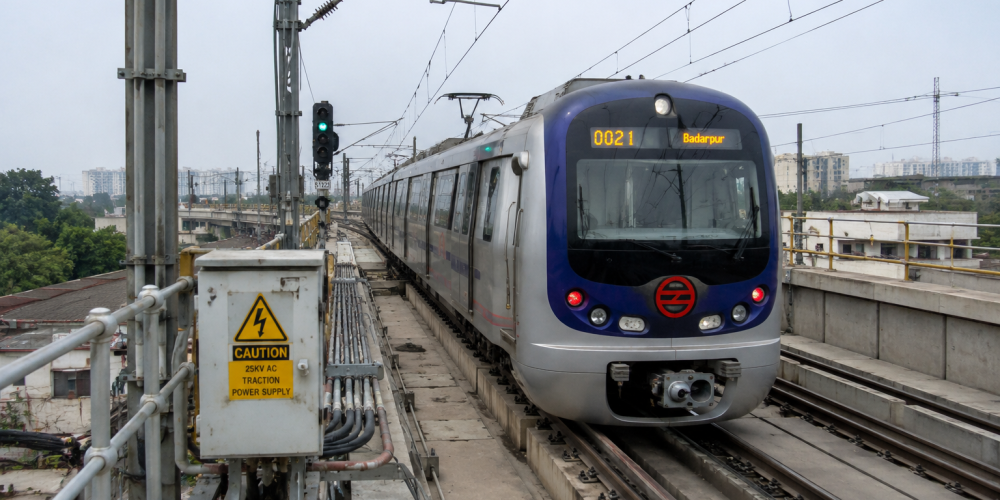
Power solutions for safe and uninterrupted metro operations.
Metro and rail infrastructure depends on uninterrupted power to support safe, efficient, and continuous operations. Critical systems such as signalling, communication networks, traction substations, stations, and operation control centres require a stable power supply to ensure seamless network performance and passenger safety. Chhabi Electricals provides engineered power solutions designed to meet the demanding requirements of modern transit infrastructure, delivering dependable performance and long-term operational reliability across mission-critical applications.
Modern metro networks depend on a coordinated electrical infrastructure to support continuous train operations, passenger facilities, signalling, communication, and network control. As systems become more interconnected and networks expand, power infrastructure must be planned around reliability, electrical stability, protection, and operational continuity.
The focus is not only on maintaining power availability, but also on ensuring that critical electrical systems can operate reliably under changing loads, supply disturbances, and demanding transit conditions.
Critical railway systems require dependable power throughout daily operations, including periods of high demand and supply disturbances.
Stable and well-regulated power helps protect sensitive signalling, communication, control, and protection equipment from electrical disturbances.
Appropriate protection and fault isolation help contain electrical faults and reduce their impact on other sections of the network.
Power infrastructure should accommodate changing loads, network extensions, additional equipment, and evolving operational requirements.
Visibility into key electrical parameters, alarms, and equipment condition supports faster response and more informed maintenance decisions.
Infrastructure should allow inspection, testing, servicing, and upgrades with minimal disruption to essential metro operations.
Power solutions designed to support the critical systems that keep metro networks running safely and efficiently.
Supports reliable train movement and network safety.
Ensures uninterrupted communication across the metro network.
Provides dependable power for central monitoring and operational control.
Delivers stable power for critical electrical infrastructure.
Supports lighting, security, ticketing, and station operations.
Power inspection, servicing, and maintenance facilities.

Supports signalling, platform screen doors, tunnel ventilation controls, and traction substation auxiliaries with stable DC power and low harmonic distortion for sensitive railway systems.
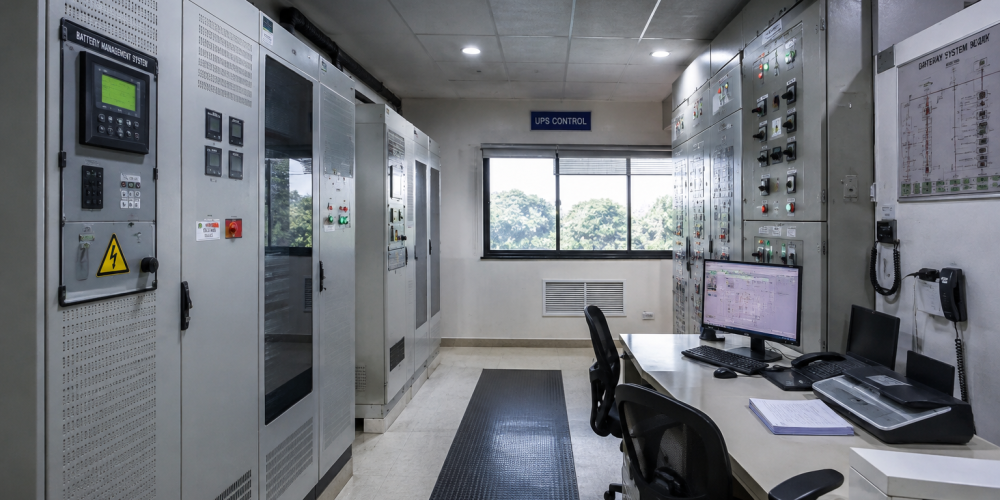
Routes battery-backed DC to control, communication, and emergency circuits through coordinated protection, with individual feeder metering and alarms for immediate fault identification.
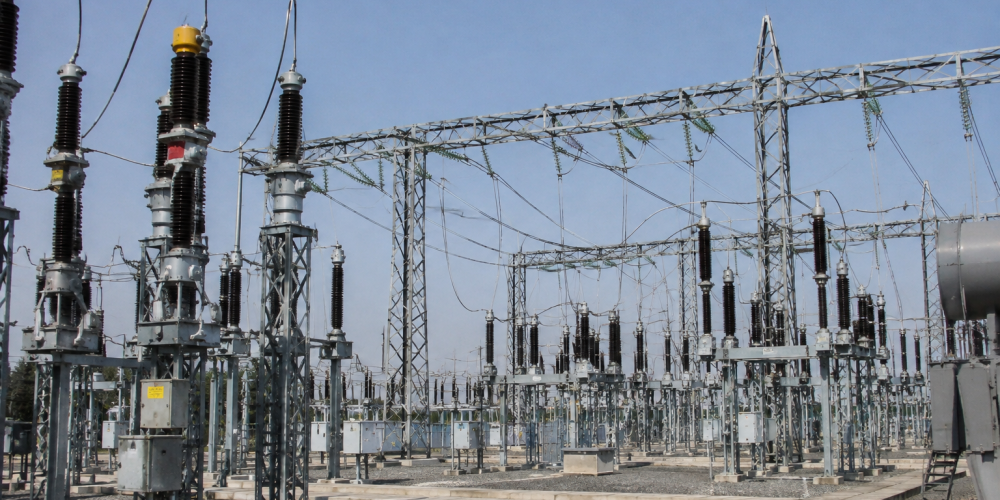
Supports protection relays, circuit-breaker operations, SCADA equipment, and communication systems through a dependable station battery and DC supply.
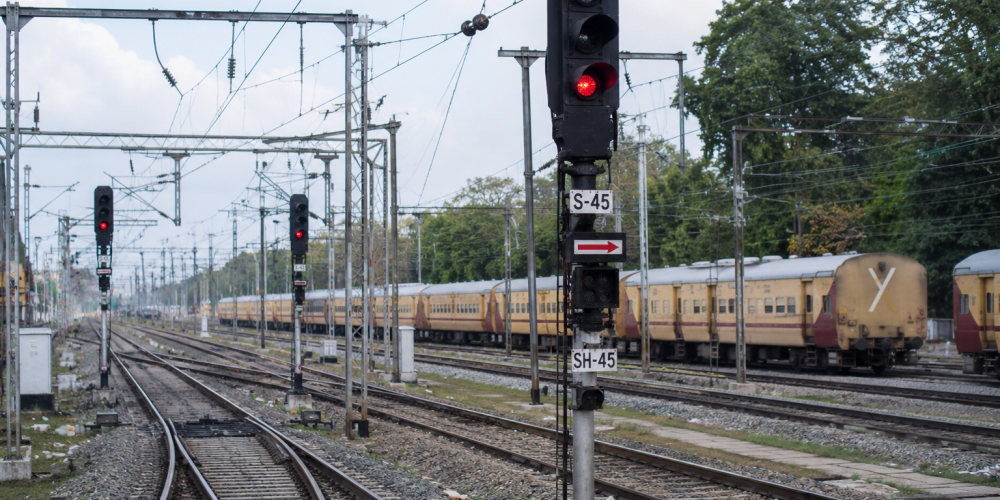
Maintains dependable DC power for signalling, interlocking, and railway control systems, helping critical operations remain functional during supply interruptions.
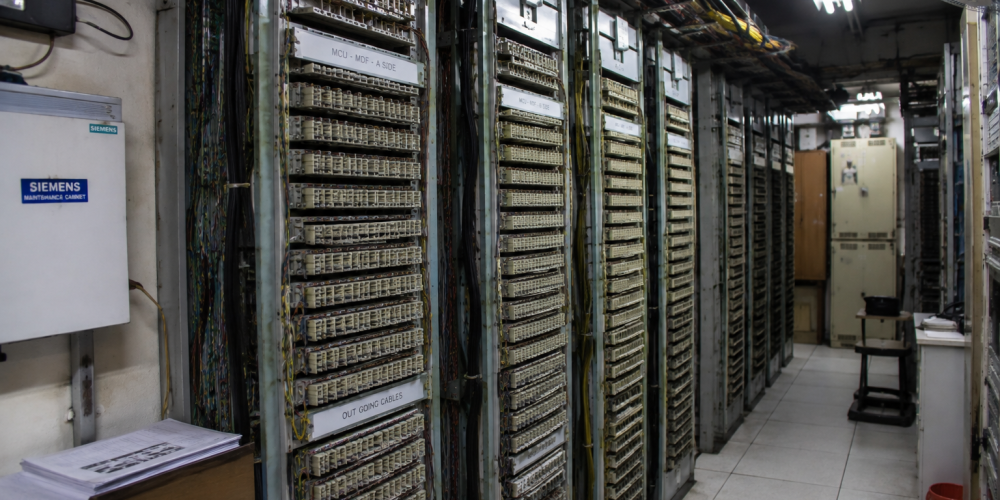
Telecom exchanges rely on continuous DC backup for network equipment. Online Cell Booster allows individual weak cells to be treated without taking the complete battery system offline or interrupting essential communication services.
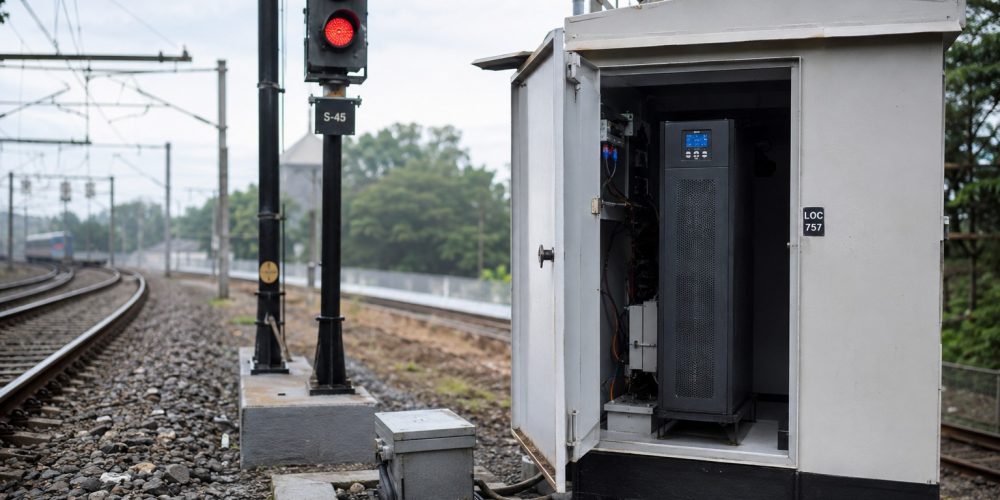
Used for trackside signalling, axle detection, point control, level crossing, and other railway electrical systems. Weather-resistant construction helps protect cable connections against rain, dust, temperature variations, and demanding trackside conditions.
Metro and rail infrastructure uses both AC and DC power systems, with each serving different electrical requirements across the network. Understanding how these power systems work together is important when designing auxiliary electrical infrastructure for rail applications.
Used for higher-power electrical loads and distribution across stations, substations, depots and other railway facilities.
Used for essential control, protection, signalling and other equipment that requires a regulated DC source.
Maintains the connected battery bank during normal operation while also supplying the required DC load.
Stores electrical energy and provides the DC supply to designated essential loads when the normal source is unavailable.
Charger capacity, battery configuration, DC voltage and connected load must be selected according to the specific railway installation.
AC input, charger, battery bank and connected DC loads need to be properly coordinated to provide the required electrical performance for the application.
Battery banks provide stored DC power for essential railway systems when the normal auxiliary supply is unavailable. The battery technology selected for a rail installation depends on factors such as operating environment, backup requirements, charging characteristics, maintenance needs and expected service life.
Lead-acid batteries are widely used for stationary backup applications and provide a practical solution for railway DC systems where dependable standby power and established charging methods are required.
Nickel-cadmium batteries are well suited to demanding railway environments where temperature variation, repeated discharge conditions and long service life can influence battery selection.
VRLA batteries offer a sealed construction suited to installations where reduced routine maintenance and efficient use of available space are important considerations.
Lithium-ion batteries offer high energy density and a compact footprint, making them suitable for railway installations where space is limited.
Modern metro and rail networks operate around the clock, making power continuity a critical part of overall infrastructure performance. As networks expand and electrical systems become more interconnected, maintaining a stable and dependable power supply becomes increasingly important.
Voltage variations and supply disturbances can affect sensitive electrical and control systems across rail infrastructure.
Metro networks require electrical systems to remain available continuously to support safe and efficient operations.
Network expansion, new stations and increasing electrification place greater demands on existing power infrastructure.
Modern rail infrastructure increasingly depends on electronic monitoring, control, communication and protection systems.
Essential systems require dependable backup power to remain available during interruptions in the primary supply
Power infrastructure must support long-term operation while allowing inspection, servicing and maintenance with minimal disruption.
Engineered power solutions built for the demanding requirements of modern metro and rail networks.
Designed to support critical metro systems where uninterrupted power is essential for safe and continuous operations.
Delivers stable power for signalling, communication, control systems, and other essential rail infrastructure.
Built to perform reliably in demanding metro environments with long operational life and dependable performance.
Solutions designed to support expanding metro networks and evolving infrastructure requirements.
Engineered for consistent performance with minimal downtime across mission-critical transit applications.
Metro rail systems require dependable power for signalling, traction-related infrastructure, substations, control rooms and other essential electrical loads. Stable DC power and suitable backup systems help maintain continuity during supply disturbances.
Backup DC systems provide power to essential loads when the primary supply is interrupted. Battery chargers maintain the battery bank during normal operation so that stored power remains available when required.
Battery chargers maintain the batteries that support signalling and other safety-critical DC loads. A properly regulated DC supply helps keep these systems available during interruptions in the main power source.
Key factors include DC voltage, battery chemistry, connected load, charging requirements, backup duration and operating conditions. Power quality, monitoring and communication requirements may also influence the selection.
Chhabi Electricals provides engineered power solutions for metro and rail requirements, including systems supporting traction environments, substat ions, UPS control rooms and railway signalling. Solutions are selected according to the specific application and electrical requirements.