
| Specification | Details |
|---|---|
| Monitoring Range | 24V – 360V DC systems |
| Cell Voltage Accuracy | ±0.05%, resolution 1 mV |
| Internal Resistance | 0.1–64 mΩ, resolution 1 µΩ, ±2% accuracy |
| String Voltage | Up to 2500V DC, resolution 10 mV, ±0.1% accuracy |
| Current Monitoring | Up to 500A, resolution 10 mA, ±1% accuracy |
| Temperature | –10°C to +100°C, resolution 0.1°C, ±2% accuracy |
| Humidity | 5–90% RH, resolution 1%, ±5% accuracy |
| SOC / SOH Estimation | SOH 0–100%, resolution 1%, ±5% accuracy |
| Communication | RS-485 Modbus RTU, Ethernet (TCP/IP), optional Wi-Fi/GPRS |
| Protections | Internal fuses, reverse polarity protection |
| Operating Conditions | –10°C to +70°C, 5–90% RH, 80–110 kPa pressure |
| Enclosure | ABS/metal, modular power design |
Simple, Robust, and Effective Alarm Indication
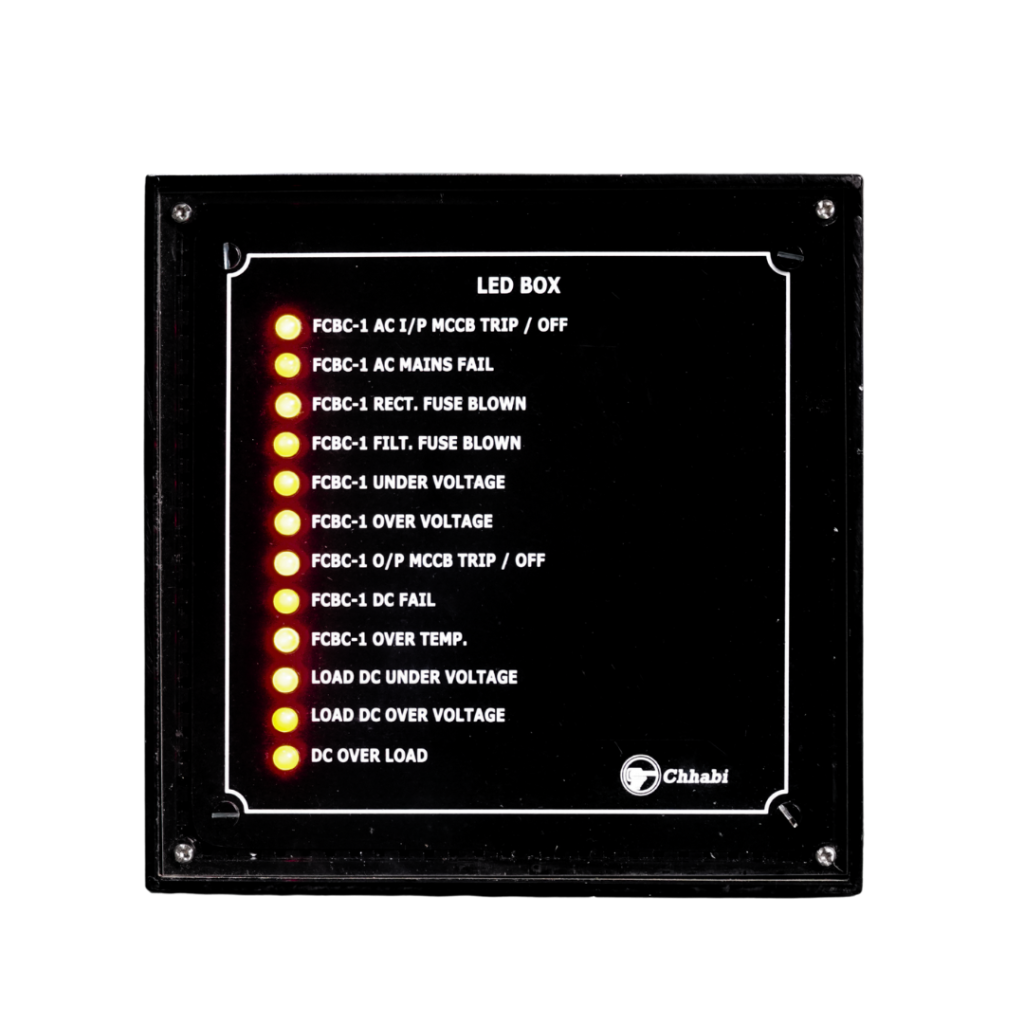
For applications demanding fast and reliable alarm signaling without added complexity, Chhabi’s LED-Based Annunciators deliver crystal-clear fault alerts. Built for industrial dependability, they provide straightforward, cost-effective alarm monitoring
LED-Based Annunciators provide clear, dedicated indication for equipment trips, protection faults, and safety alarms, allowing operators to identify abnormal conditions quickly without depending entirely on a central control interface.
01
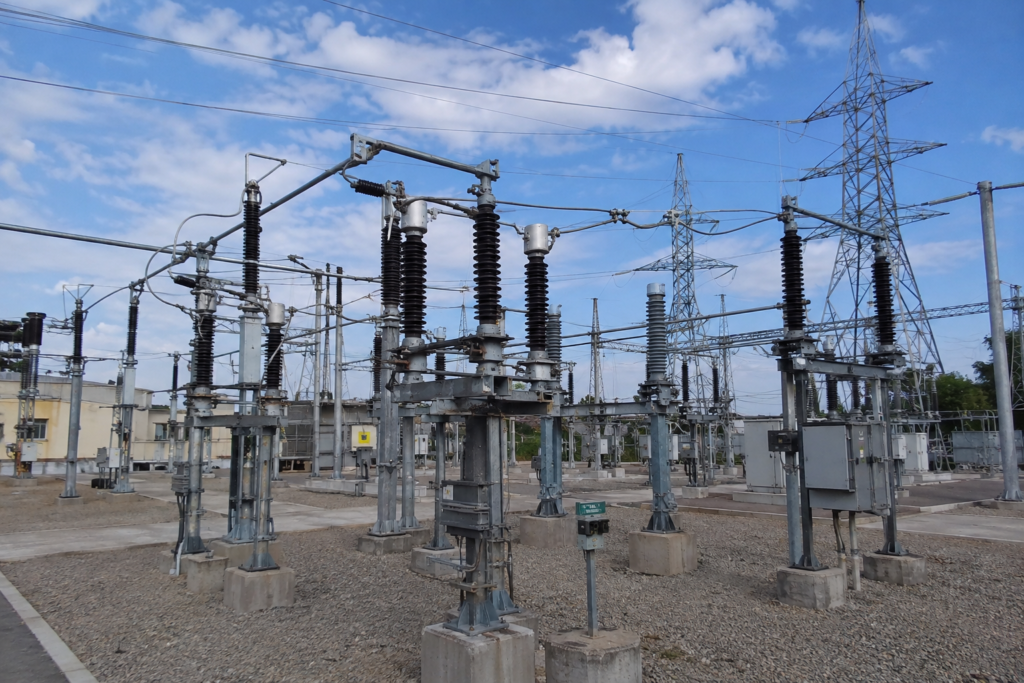
Provides dedicated visual indication for transformer protection trips such as differential, Buchholz, winding temperature, REF, and overcurrent, helping operators identify the source of a fault immediately.

Displays individual pump, blower, and agitator trips along with protection faults, allowing control-room operators to identify the affected equipment without needing to inspect the MCC directly.

Provides immediate visual indication for critical equipment trips across crushers, mills, kiln drives, and bag filters, helping operators respond quickly before a local fault affects the wider process.

04
Clearly displays pump trips, compressor faults, valve failures, ESD activation, and other field alarms, giving operators an immediate view of abnormal conditions at remote production facilities.
05
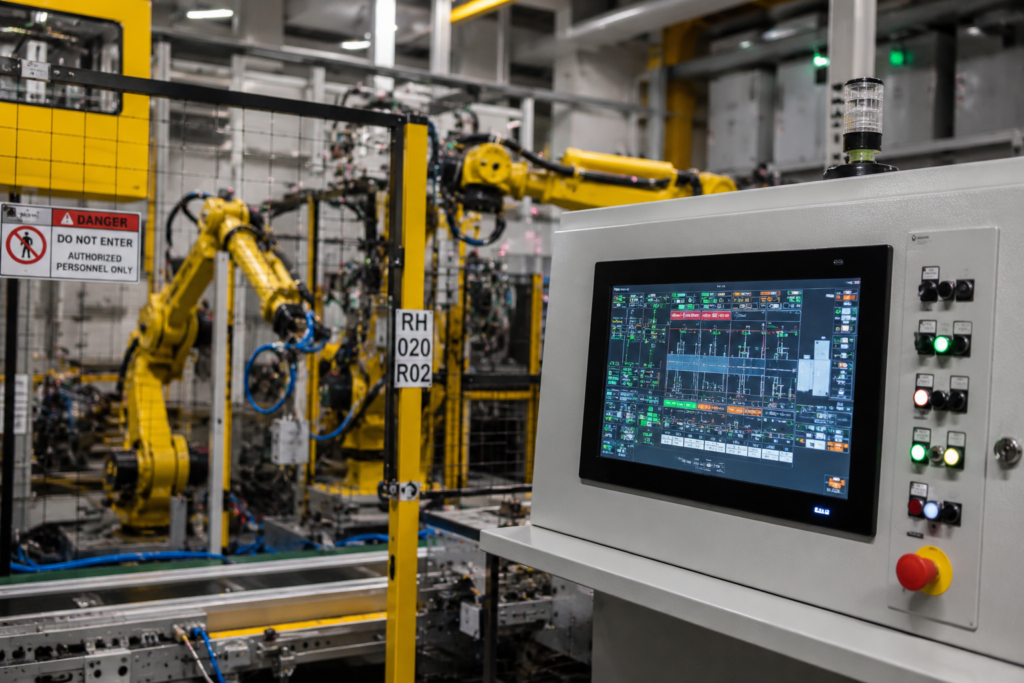
Provides dedicated visual indication for fire-zone activation, emergency shutdowns, suppression-system operation, and emergency power isolation where alarm visibility must remain immediate and unambiguous.

06
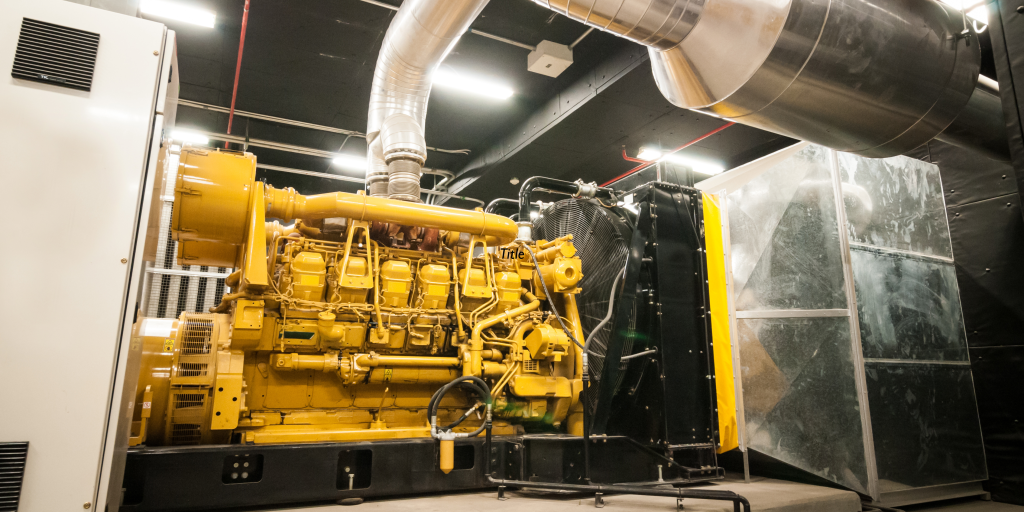
Provides clear visual indication for generator, turbine, auxiliary, and protection-system trips, helping control-room operators quickly identify the affected function and take appropriate action during abnormal plant conditions.
Relay-driven system ensures long service life.
Straightforward wiring, no programming required.
High-intensity LEDs in red, amber, or green options.
Provides critical fault alerts without added complexity



An LED annunciator is a fault indication device that lights up specific LEDs when a connected equipment or process input triggers an alarm condition. It's relay-driven — when a fault signal comes in, the corresponding LED activates immediately with no processing delay, giving operators instant visual confirmation of exactly what faulted and where.
A window-type annunciator uses backlit engraved or printed windows for fault indication, while an LED annunciator uses high-intensity LEDs — red, amber, or green — for the same purpose. LED-based units are generally more energy efficient, have longer service life, and offer better visibility in bright plant environments compared to lamp-based window annunciators.
LEDs last significantly longer than incandescent lamps, consume far less power, and maintain brightness consistently over years of continuous operation. In a plant where the annunciator panel runs 24/7, that difference in maintenance frequency and energy cost adds up meaningfully over time.
Red, amber, and green are the standard options, each serving a specific purpose. Red typically indicates a critical fault or trip, amber signals a warning or abnormal condition, and green confirms healthy or normal status. Using color coding correctly in a Chhabi Electricals panel alarm annunciator makes fault identification faster, especially in high-pressure control room situations.
Absolutely, that's actually one of its strengths. The relay-based design works entirely standalone without any programming, communication setup, or software configuration. For smaller substations, auxiliary panels, or plant sections that need reliable fault indication without the complexity of a networked system, a Chhabi Electricals LED annunciator is the practical, proven choice.
As an experienced LED annunciator manufacturer, Chhabi Electricals builds each unit for continuous industrial duty, handling voltage variations, temperature swings, and round-the-clock plant demands without compromise. That field-proven reliability is what makes them a trusted choice across power, oil & gas, and heavy industry panel applications.
In fire and gas systems, the panel alarm annunciator provides the first layer of visual indication at the local control panel, showing exactly which zone or detector has triggered before the operator even reaches the SCADA screen. That immediate local visibility is critical in emergency response situations where every second of clarity matters.
Yes, channel count and LED colors can be configured per project, so the same unit fits a small substation panel or a large process plant alarm panel. That's why most panel builders stick to a trusted annunciator panel supplier like Chhabi Electricals across multiple projects rather than switching every time.
Each time the fault relay operates, the LED annunciator captures it — and since the indication latches until manually reset, repeated faults show up as a pattern the maintenance team can investigate rather than a one-time event that gets missed. It quietly builds a case for why a piece of equipment keeps tripping.
Yes, each channel can be labeled with the exact equipment tag or fault description during panel fabrication, so the operator sees 'Transformer Trip' or 'Feeder Overcurrent' instead of a generic channel number. For a busy control room, that kind of clarity on a Chhabi Electricals panel alarm annunciator directly reduces the time taken to identify and respond to a fault.