

Energy & Infrastructure

Power solutions for energy infrastructure where continuity, control, and dependable backup are essential.

Energy infrastructure such as oil & gas facilities, refineries, petrochemical plants, pipeline networks, and other industrial installations depend on stable power for control, protection, instrumentation, communication, and monitoring systems. Power interruptions can affect processes, safety systems, and essential plant operations. Chhabi Electricals provides engineered AC and DC power solutions designed around the load, voltage, battery, backup requirements, and operating conditions of energy infrastructure.

Infrastructure Priorities for Energy Operations

Energy facilities operate continuously and often involve distributed equipment, process control systems, and essential electrical loads. Their backup power architecture must support uninterrupted operation while accounting for demanding site conditions, load characteristics, battery autonomy, and the need for clear system visibility.

Key priorities include:

Uninterrupted Power for Essential Systems

Control, protection, instrumentation, communication, and other essential loads need continuous power during interruptions in the normal supply.

Stable DC Power

Industrial DC systems must provide regulated power for equipment that depends on a dedicated DC supply while keeping the battery bank adequately charged.

Power Protection & Isolation

Critical AC and DC circuits require suitable protection, distribution, and isolation to limit the impact of electrical faults and support safe maintenance.

Continuous-Duty Operation

Power systems must be designed for extended operation with suitable capacity, thermal considerations, and provisions for servicing.

Remote Site Availability

Pipeline networks and other distributed energy installations may require power systems that can operate with limited access to site infrastructure and maintenance support.

Operational Visibility

Monitoring of electrical parameters, alarms, battery condition, and equipment status helps maintenance teams identify issues before they affect operations.

Energy & Infrastructure Power Support

Power solutions designed around the continuity, control, protection, distribution, and monitoring requirements of energy infrastructure.

Power Continuity

Supports essential loads during interruptions, voltage disturbances, and changes in the normal power supply.

DC Power Systems

Regulated DC power supports control, protection, instrumentation, communication, and other industrial auxiliary systems.

Backup & Energy Storage

Battery-backed systems provide stored energy for essential loads when the primary supply is unavailable.

Power Distribution

AC and DC distribution systems help deliver power to designated loads through appropriately configured feeders and panels.

Power Protection

Isolation, protection, and distribution solutions help safeguard equipment against faults and abnormal operating conditions.

System Monitoring

Monitoring and alarm systems provide visibility into electrical parameters, battery condition, equipment status, and system faults.

Energy & Infrastructure

Applications

Offshore Oil & Gas Rigs

Offshore Oil & Gas Rigs

Supports control, safety, and communication systems on offshore platforms, with wide input tolerance for generator fluctuations and remote monitoring for continuous UPS visibility.

Wind Farms

Wind Farms

Monitors 25+ operating parameters and communicates alarms through SCADA, while adaptive charging helps manage variable operating cycles and keeps turbine control and protection batteries ready.
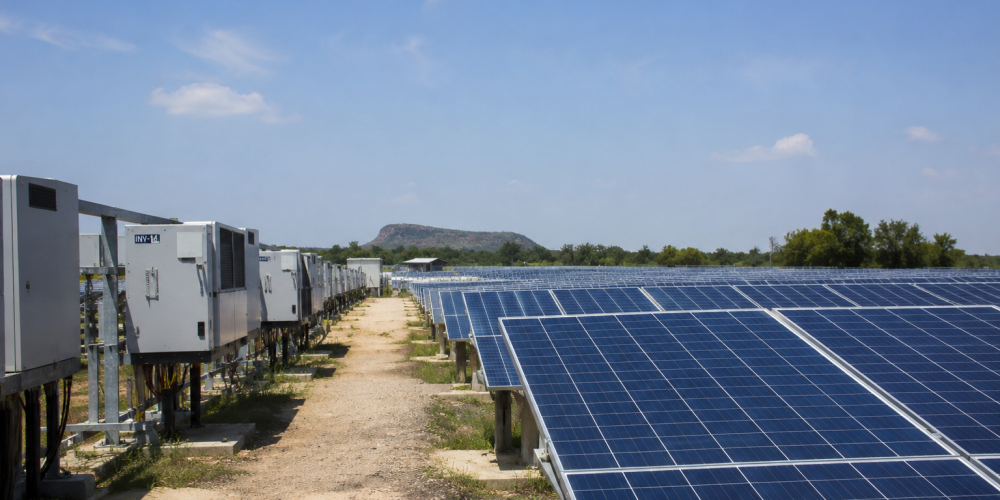
Solar Power Plants

Solar Power Plants

Aggregates and protects individual PV string circuits with fuses, MCCBs, and SPDs, while DC metering helps identify abnormal current or voltage across strings.
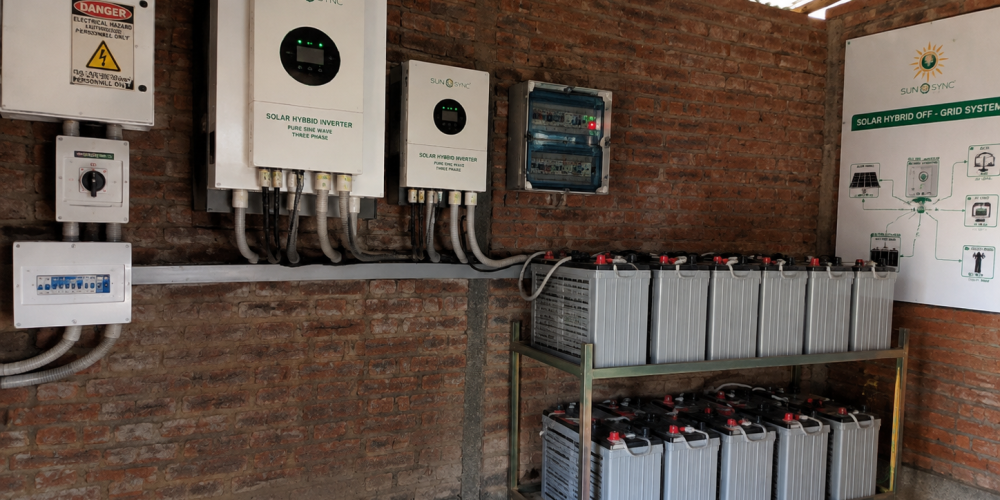
Solar Hybrid Off-Grid Installations

Solar Hybrid Off-Grid Installations

Supports fluctuating solar availability through programmable CC-CV and IU/IUIU charging curves, while RS485 connectivity enables integration with hybrid energy management systems and grid or generator backup.
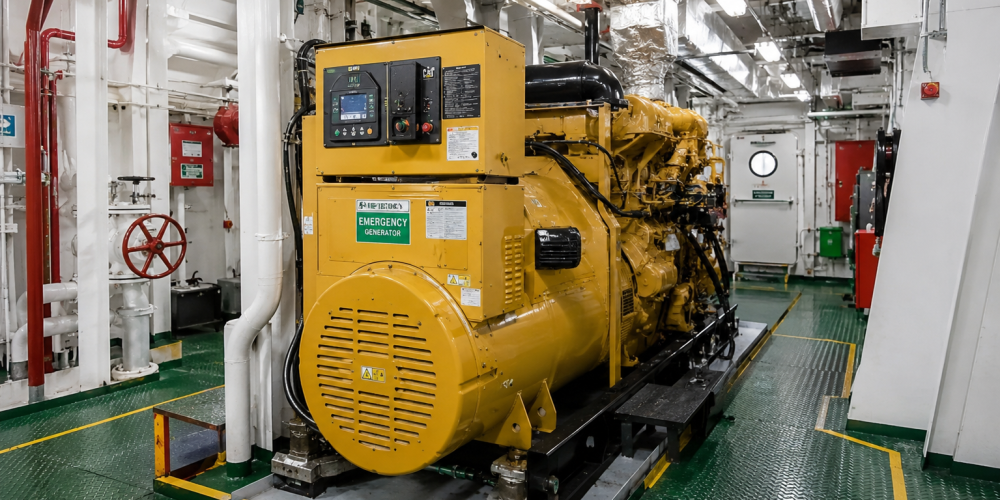
Marine & Vessel Emergency Power

Marine & Vessel Emergency Power

Separates emergency battery banks from vessel distribution during inspection and maintenance, while coordinated protection helps prevent faults on the emergency bus from damaging the battery bank.
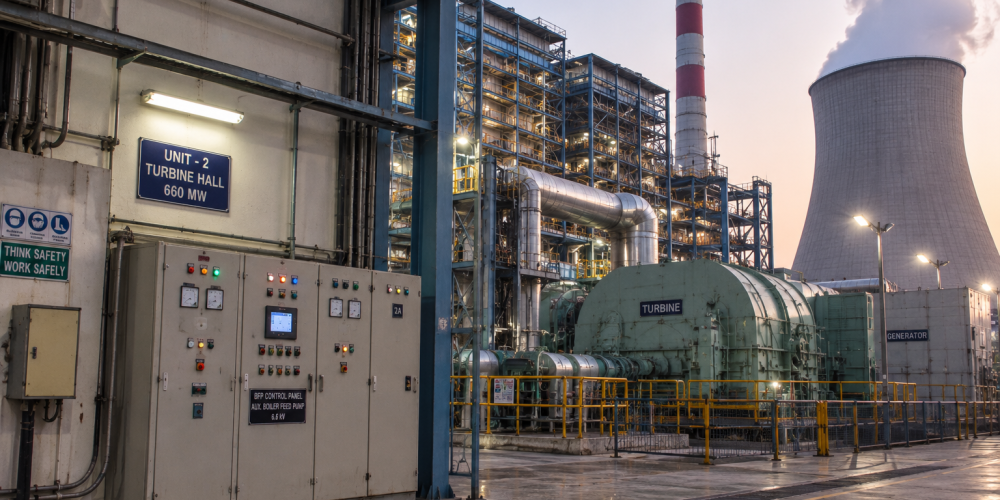
Power Generation Plants

Power Generation Plants

Manages motors and auxiliary loads across generating facilities, from cooling and pumping systems to plant distribution, with high-capacity busbars, drawout feeders, and protection for dependable operation.

Where Power Continuity Matters in Energy Infrastructure

Power requirements can vary significantly across an energy facility. The following areas are particularly important when designing backup and DC power systems.

01

Control & Protection

Control and protection equipment must remain available when the normal electrical supply is interrupted. Dedicated DC systems can provide the regulated supply required by essential control and protection loads.

02

Instrumentation & Process Monitoring

Instrumentation and monitoring equipment supports visibility into plant and process conditions. Stable power helps these systems continue operating when supply conditions change.

03

Communication & Remote Monitoring

Communication equipment and remote monitoring systems can be essential across distributed energy assets. Backup power helps maintain these functions during interruptions to the primary supply.

04

Charger & Battery Systems

DC chargers continuously supply connected loads while maintaining the associated battery bank at the required charge level. Charger capacity and battery configuration need to be selected according to the site’s load and autonomy requirements.

05

AC Backup for Electronic Equipment

Certain control, monitoring, communication, and electronic loads require uninterrupted AC power. Industrial UPS systems can provide regulated backup power for these applications.

06

Distribution, Isolation & Alarms

Essential loads require appropriate distribution and isolation to manage power within the installation. Annunciation and monitoring systems provide visibility into faults, alarms, and operating conditions.

Power Technologies for Energy Applications

Energy applications can require a combination of DC chargers, UPS systems, batteries, distribution equipment, and monitoring solutions. The appropriate configuration depends on the load profile, system voltage, battery technology, autonomy, and operating environment.

Industrial DC Chargers

Chhabi Electricals offers thyristor, digital thyristor, SMPS modular, and IGBT charger technologies for industrial DC power and battery charging requirements.

AC UPS Systems

Helios UPS and Aegis industrial UPS solutions can support applications requiring dependable backup AC power for suitable electronic and control loads.

Battery & DC Infrastructure

Battery systems, ACDB/DCDB, battery isolation, and related DC distribution solutions help manage and protect essential power circuits.

Monitoring & Maintenance

Battery Health Monitoring, Earth Leakage Monitoring, annunciators, cell boosters, and battery discharge/load bank solutions support system visibility, testing, and maintenance.

Power Challenges in Energy Infrastructure

Energy facilities have to maintain essential electrical and electronic systems while operating around continuous processes, distributed assets, and demanding site conditions. This creates several considerations for backup and DC power architecture.

Continuous Process Dependency

Control, protection, instrumentation, and communication systems may need to remain available while the wider facility continues operating.

Distributed Operations

Pipelines, remote installations, and other distributed assets can have different power and maintenance requirements across locations.

Changing Load Conditions

Changes in connected equipment and operating conditions can affect charger, UPS, battery, and distribution requirements over the life of an installation.

Battery Readiness

Batteries must remain properly charged and capable of supporting essential loads when backup power is required.

Electrical Disturbances

Voltage fluctuations and other supply disturbances can affect sensitive electronic and control equipment.

Maintenance & System Visibility

Monitoring, annunciation, testing, and planned maintenance help identify developing issues and maintain power system readiness.

Why Choose Chhabi Electricals for Energy Infrastructure

Engineered power solutions designed around the continuity, protection, and operating requirements of energy infrastructure.

Complete AC/DC Power Portfolio

Chargers, UPS systems, battery solutions, distribution panels, isolation, monitoring, and maintenance equipment cover multiple parts of the power infrastructure.

Engineered for Application Requirements

System configuration can be based on voltage, connected load, battery type, autonomy, duty cycle, and operating conditions.

Industrial Charger Expertise

Thyristor, digital, SMPS modular, and IGBT charger technologies provide options for different industrial DC power requirements.

Protection & Distribution

ACDB, DCDB, battery isolation, and related solutions help organise and manage essential power circuits.

Monitoring & Battery Management

Battery health monitoring, earth leakage monitoring, annunciation, cell boosters, and discharge solutions support ongoing system assessment and maintenance.

FAQ

Frequently Asked Questions

Q1. What type of charger is used in oil and gas facilities?

Industrial DC chargers are commonly used where control, protection, instrumentation, communication, or auxiliary systems require a dedicated DC supply. The charger is selected according to the DC voltage, connected load, battery capacity, charging requirement, and operating conditions.

A DC charger supplies the connected DC load during normal operation while maintaining the battery bank at the required charge level. The battery then provides stored energy to support essential DC loads when the normal power supply is unavailable.

Charger selection should consider DC system voltage, continuous load, battery capacity, required charging current, backup autonomy, duty cycle, battery technology, and site operating conditions. These parameters determine the appropriate charger configuration and rating.

Chhabi Electricals provides industrial DC chargers, UPS systems, battery solutions, ACDB/DCDB, battery isolation, monitoring and annunciation systems, cell boosters, and battery discharge/load bank solutions for energy and industrial power applications.

Backup power systems can maintain essential control, monitoring, communication, and other electrical loads when the primary supply is interrupted. For remote installations, the system needs to be configured around load requirements, battery autonomy, operating conditions, and practical maintenance needs.

Talk to an Engineer

Share voltage, current, duty cycle, battery type, and environment.

Book a Call Now