Automotive & Manufacturing

Electrical systems for continuous production, machine control and plant operations.

Automotive and manufacturing facilities depend on coordinated electrical systems to keep production lines, machines, automation, utilities and plant services running. Motor-driven equipment, control systems, instrumentation and production machinery require dependable power distribution and protection across different stages of manufacturing. Chhabi Electricals provides AC and DC power solutions for manufacturing environments, supporting motor control, critical equipment, backup systems, distribution and electrical monitoring.

What Manufacturing Operations Depend On

Manufacturing plants combine high-load equipment, automated production systems and supporting utilities within a single electrical infrastructure. The electrical system needs to handle changing loads, motor starting, control requirements and production continuity across the plant.

Key priorities include:

Consistent Production Supply

Production equipment and supporting systems require a stable electrical supply to minimise interruptions to manufacturing operations.

Controlled Motor Operation

Motors used in conveyors, pumps, compressors, fans and production machinery require suitable starting, control and protection arrangements.

Automation & Control Availability

PLCs, control systems, instrumentation and machine controls need dependable supply to maintain automated production processes.

Coordinated Distribution

Electrical distribution must accommodate different load levels while providing appropriate protection and isolation across plant sections.

Backup for Critical Equipment

UPS and battery-backed systems can maintain designated control, monitoring and essential loads during supply interruptions.

Maintenance-Friendly Infrastructure

Panels, chargers, UPS systems and distribution equipment should allow inspection and servicing without unnecessary disruption to production.

Electrical Backbone of Manufacturing Plants

Manufacturing facilities use multiple layers of electrical infrastructure to distribute, control and protect power across production and support systems.

MCC & Motor Control

MCC systems manage motor feeders and support starting and control arrangements for motors used throughout the plant.

PCC & Plant Distribution

PCC systems distribute electrical power to major plant loads and downstream electrical systems.

Machine & Control Supply

UPS and DC systems support designated control, automation, instrumentation and other critical electronic loads.

AC & DC Backup

UPS and battery-backed systems maintain selected critical loads during interruptions to the normal supply.

Protection & Isolation

Switchgear, ACDB/DCDB and battery isolation solutions support controlled distribution, protection and safe isolation.

Monitoring & Indication

Annunciators and monitoring systems provide visibility into electrical faults, alarms and battery-related conditions.

Power Generation & Utilities

Applications

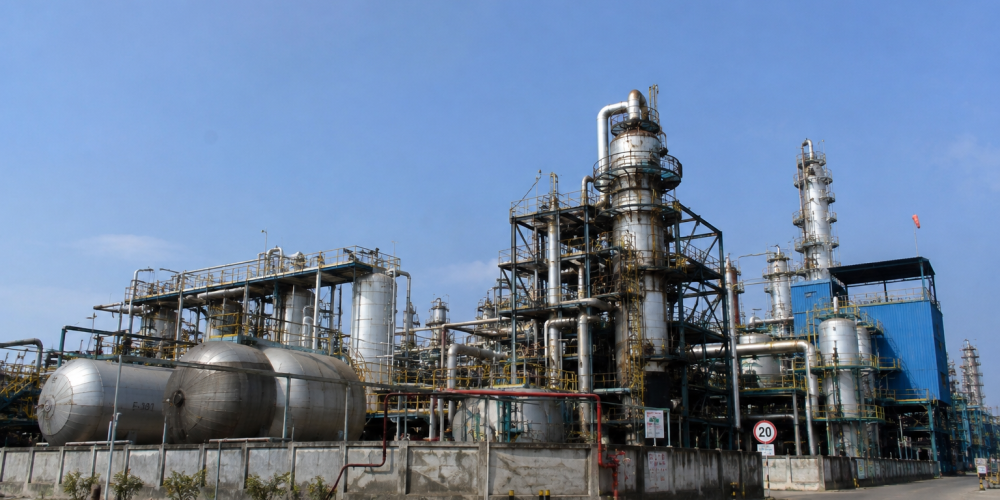
Chemical Processing Plants

Chemical Processing Plants

DSP-based regulation supports stable DC supply to safety and emergency shutdown systems, with RS-485 integration and VRLA compatibility for controlled battery charging in sensitive process environments.
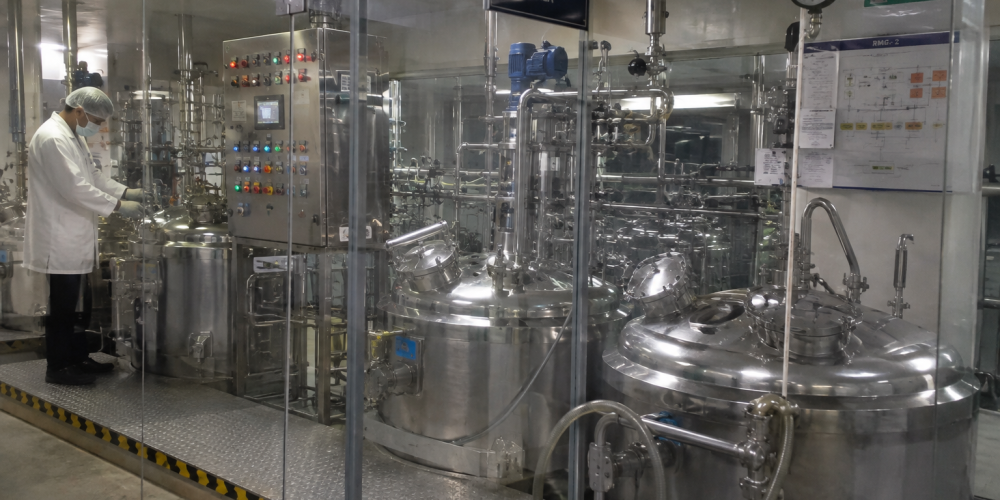
Pharmaceutical Plants

Pharmaceutical GMP Facilities

Provides documented IEC 61439 construction, defined separation forms, and monitored motor feeders for GMP utilities, with communication interfaces enabling integration with plant automation systems.
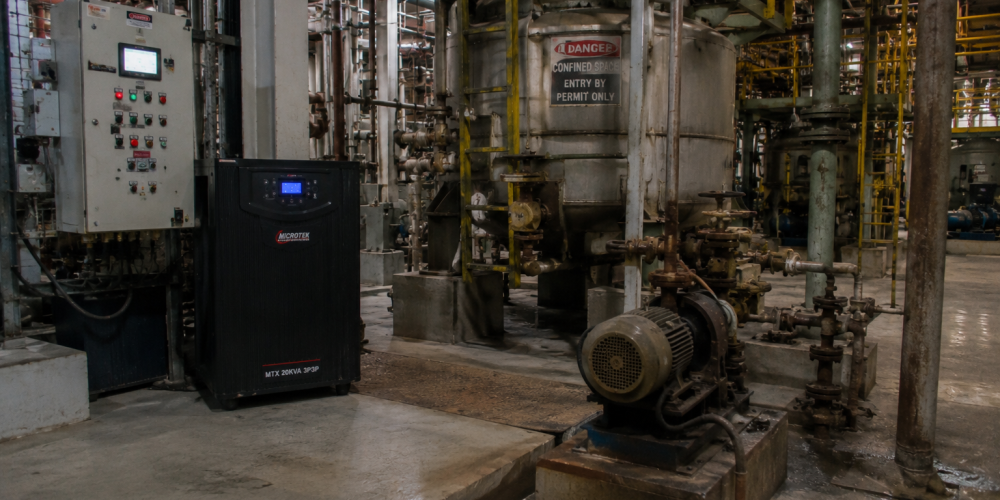
Chemical Processing Plants

Chemical Processing - Centralized LV Power Distribution

Combines arc-fault protection, busbar shrouding, and IP-rated construction for demanding chemical environments, with drawout feeders enabling safer motor isolation and maintenance.
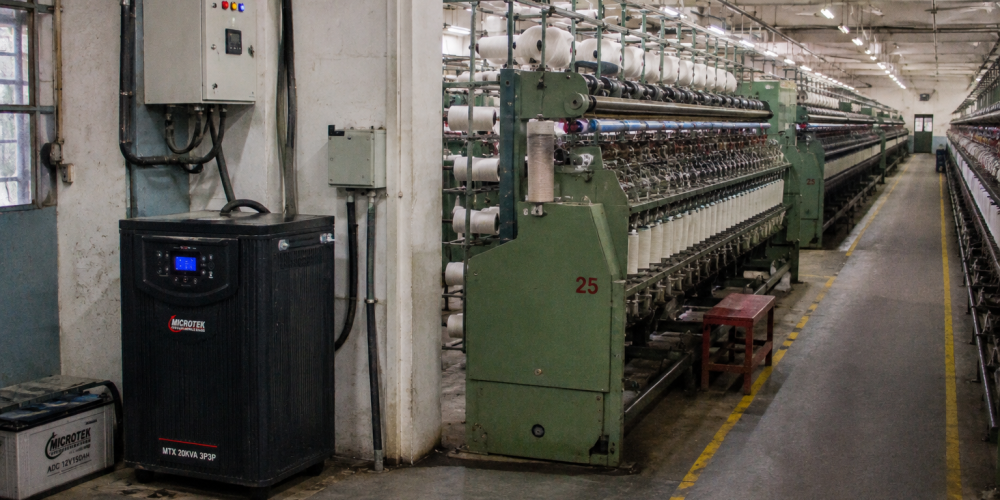
Textile Mills

Textile Mills

Handles VFD-driven spinning, weaving, and air-jet loom equipment with segregated feeders that simplify maintenance while keeping adjacent production systems energised.
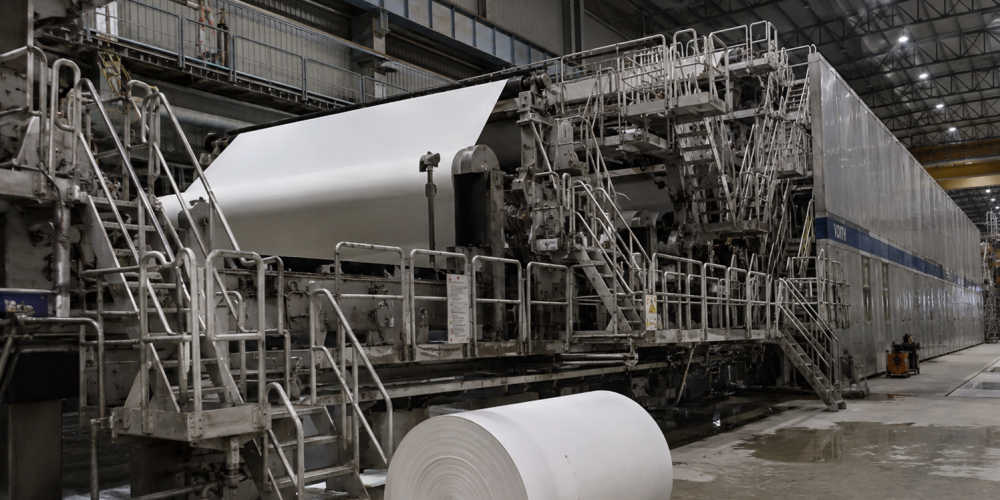
Paper & Pulp Mills

Paper & Pulp Mills

Controls starting of DC motors used in digesters, press sections, rewinders, and effluent pumps, helping prevent sudden torque loading that can affect rolls, couplings, and paper web continuity.
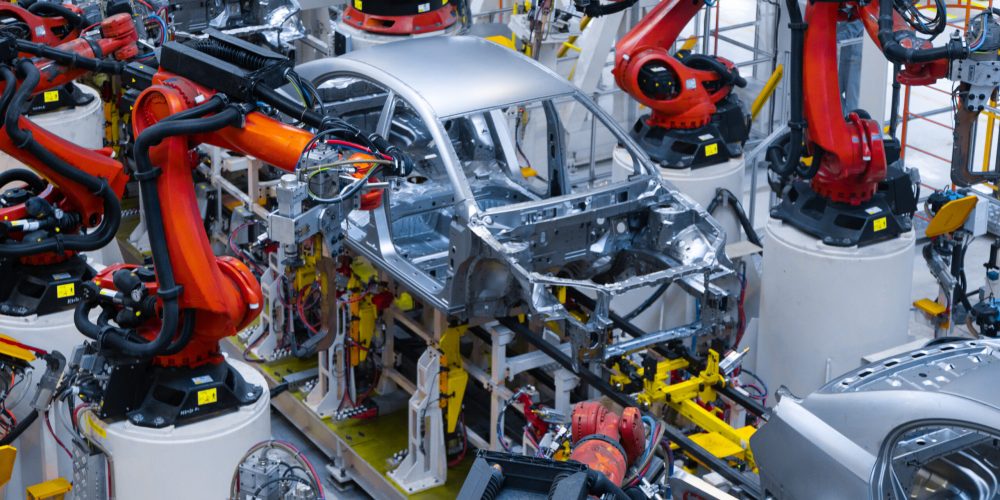
Assembly line production of new car. Automated welding of car body on production line. robotic arm on car production line is working

Automotive Components

Chrome and nickel plating is used on automotive components where both appearance and surface durability matter. Stable, low-ripple DC output helps maintain even deposition and minimise defects such as burning and micro-pitting during continuous production.

Factors Behind Manufacturing Electrical Design

The electrical arrangement of a manufacturing plant depends on its machinery, production process, load characteristics and operating requirements.

01

Motor Load Characteristics

Manufacturing plants can contain large numbers of motors with different ratings and starting methods. MCC configuration needs to reflect the motor load, starting arrangement and required control method.

02

Production Line Continuity

Certain control systems, automation equipment and production-support loads may need backup supply to avoid unnecessary process interruptions. UPS capacity should therefore be based on the actual critical load.

03

Starting & Switching Requirements

Motor starting can create high temporary electrical demand. DOL, Star-Delta, soft starter and VFD-based arrangements may be selected according to motor and application requirements. Chhabi’s MCC portfolio supports these feeder configurations.

04

Distribution Architecture

PCCs, MCCs, ACDBs and DCDBs need to be coordinated so that power reaches different production areas with suitable protection, isolation and maintainability.

05

Plant Environment

Manufacturing equipment may operate in areas exposed to heat, dust, vibration, moisture or other industrial conditions. Panel construction and equipment configuration need to reflect the actual installation environment.

06

Maintenance & Fault Visibility

Electrical faults, panel alarms and battery conditions need to be identified quickly so maintenance teams can respond without unnecessarily affecting healthy sections of the plant.

Technologies for Automotive & Manufacturing

Chhabi Electricals provides a combination of motor-control, distribution, AC/DC backup, protection and monitoring technologies for industrial manufacturing environments.

MCC & PCC Panels

Titan Series MCC and PCC panels support motor control and LV power distribution, with feeder configurations including DOL, Star-Delta, soft starter and VFD integration.

Industrial UPS Systems

Aegis industrial UPS supports critical industrial loads requiring uninterrupted AC supply. Helios provides online double-conversion UPS solutions across 5–200 kVA.

DC Charger Systems

Endurance, Agile Alpha, Optima and Vector charger technologies provide regulated DC supply and battery charging across industrial applications.

ACDB, DCDB & Battery Isolation

ACDB, DCDB and battery isolation solutions support distribution, protection and controlled isolation of critical electrical circuits.

Production-Floor Electrical Challenges

Manufacturing environments place different demands on electrical infrastructure because production equipment, automation and plant utilities often operate together across multiple distribution levels.

Motor Starting Loads

Motors can create significant starting demand, requiring appropriately selected starting and control arrangements.

Production Interruptions

Loss of supply to critical equipment can interrupt production processes and affect connected machinery.

Automated Equipment Dependency

PLCs, machine controls, sensors and automation systems depend on stable electrical supply for continuous operation.

Electrical Faults

Faults in distribution or motor circuits need to be isolated without unnecessarily affecting healthy sections of the plant.

Changing Plant Loads

Production expansion, new machinery and changes in operating schedules can alter the plant's electrical load profile.

Maintenance During Production

Inspection and servicing often need to be coordinated around production schedules to minimise operational disruption.

Why Chhabi Electricals for Automotive & Manufacturing

Manufacturing environments require coordinated electrical systems that can support production, motor-driven equipment and critical plant operations. Chhabi Electricals brings together distribution, motor control, UPS and DC power solutions to address these requirements across different manufacturing setups.

Motor Control & Distribution Capability

Chhabi Electricals covers MCC and PCC requirements for industrial power distribution and motor control, including DOL, Star-Delta, soft starter and VFD feeder configurations.

AC & DC Power Systems

The portfolio includes industrial UPS, commercial UPS and multiple DC charger technologies for different plant loads and backup requirements.

Protection Across Plant Distribution

MCC, PCC, ACDB, DCDB and switchgear solutions provide different layers of distribution, protection and isolation across manufacturing electrical systems.

Support for Critical Control Loads

UPS and DC systems can be configured for selected automation, control, instrumentation and other essential loads where continuity is important to plant operation.

Battery Monitoring & Maintenance

Battery health monitoring, annunciation, cell boosters and load-testing equipment support ongoing assessment and maintenance of backup battery systems.

FAQ

Frequently Asked Questions

Q1. Why are MCC panels important in automotive and manufacturing plants?

MCC panels provide a centralised arrangement for controlling and protecting multiple motor feeders used across production and plant utility systems. Their configuration can be selected according to motor ratings, starting methods and operating requirements.

PCC panels distribute electrical power to major plant loads and downstream systems. They help organise incoming power, feeders, metering and protection across the plant distribution network.

UPS systems provide backup AC supply to selected critical loads such as control equipment, automation systems, monitoring equipment and other electronic loads where an interruption could affect operations.

Battery maintenance can include condition monitoring, inspection and capacity testing. Chhabi Electricals includes BHMS, battery dischargers, DC load banks, regenerative load banks and cell boosters for battery maintenance activities.

Chhabi Electricals provides MCC/PCC panels, AC and DC UPS systems, DC chargers, ACDB/DCDB, battery isolation, switchgear, monitoring and battery maintenance solutions for industrial electrical infrastructure.

Talk to an Engineer

Share voltage, current, duty cycle, battery type, and environment.

Book a Call Now